Originally posted on November 20, 2023 @ 6:13 am
Spices are an essential part of cooking across cultures. They add flavor, aroma, and color to dishes, making them more appetizing and enjoyable. One such spice is thyme, a fragrant herb with a distinct taste and aroma. Thyme is a versatile herb that can be used in various dishes, including soups, stews, sauces, and marinades.
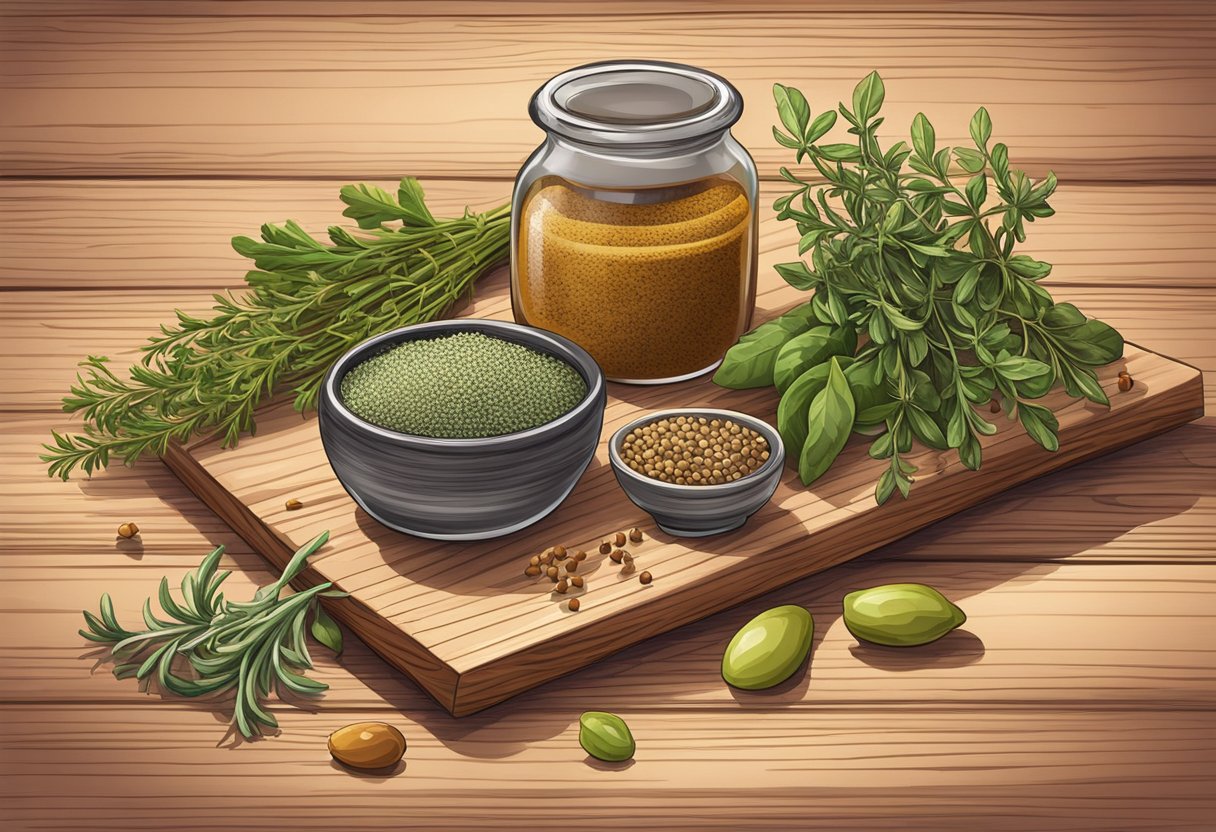
Thyme is a member of the mint family and is native to the Mediterranean region. It has been used for culinary and medicinal purposes for thousands of years. In ancient times, thyme was believed to have healing properties and was used to treat various ailments, including respiratory infections, digestive issues, and sore throats. Today, thyme is still used for its medicinal properties and is also a popular spice in the kitchen.
Table of Contents
Understanding Thyme
https://www.youtube.com/watch?v=KhrbB2dVWdY&embed=true
Thyme is a popular herb that is used in a variety of cuisines around the world. It is a member of the mint family and is known for its strong herbal flavor and floral notes. Thyme is commonly used in Mediterranean, Middle Eastern, and French cuisine.
Thyme is a versatile herb that can be used in a variety of dishes. It pairs well with meats, vegetables, and grains. It is often used in soups, stews, and sauces to add depth of flavor. Thyme can also be used to flavor oils and vinegars.
Thyme is a good source of vitamins A and C, as well as iron and manganese. It also contains antioxidants that may help to reduce inflammation in the body.
When using thyme in cooking, it is important to remember that a little goes a long way. It is best to add thyme towards the end of cooking to preserve its flavor. Thyme can be used fresh or dried, but the flavor of fresh thyme is more potent.
Overall, thyme is a flavorful and nutritious herb that is a great addition to any kitchen.
Thyme in World Cuisines
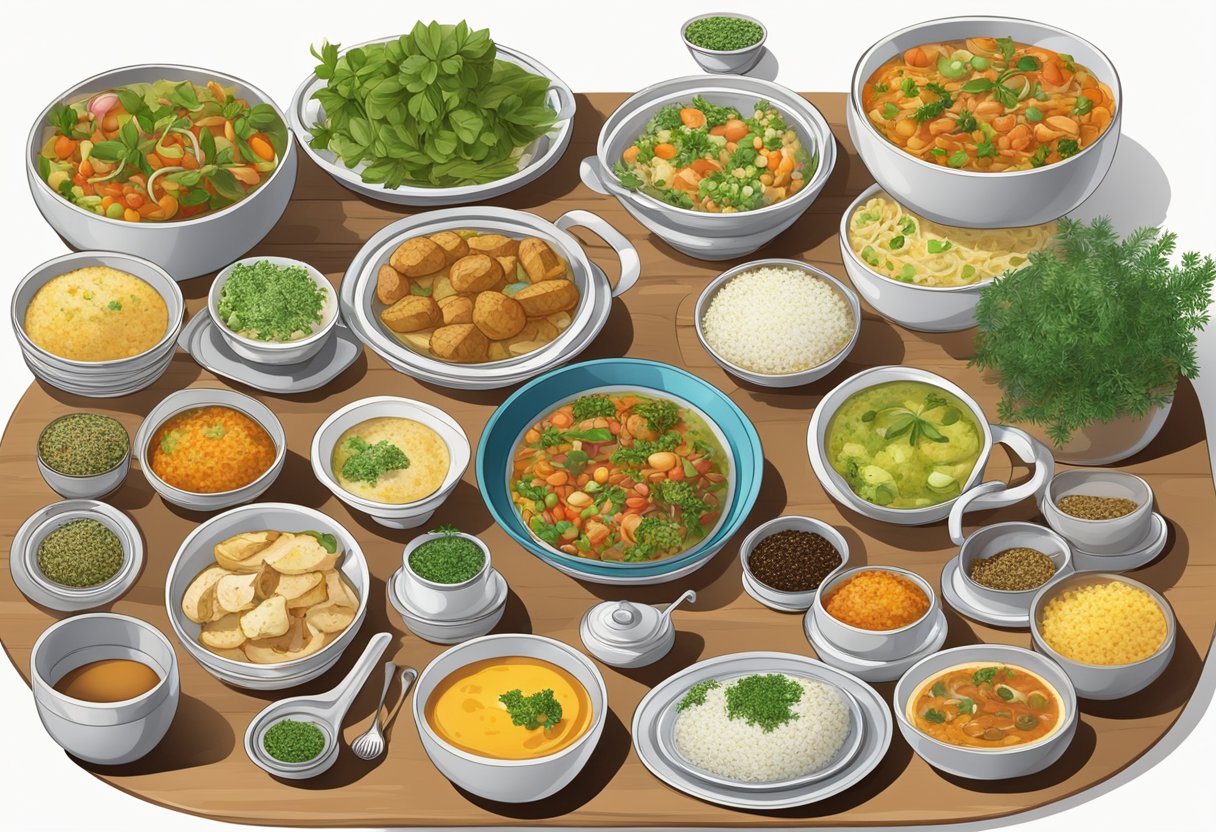
Thyme is a versatile herb that is widely used in many world cuisines. It has a distinct aroma and flavor that can enhance the taste of any dish. Here are a few examples of how thyme is used in different world cuisines:
Thyme in Mediterranean Cuisine
Mediterranean cuisine is known for its healthy and flavorful dishes, and thyme is a key ingredient in many of them. Thyme is commonly used in Mediterranean dishes such as grilled meats, roasted vegetables, and stews. It is also used in marinades, dressings, and sauces. Thyme is known to have antiseptic properties, which makes it a popular choice in Mediterranean cuisine.
Thyme in French Cuisine
French cuisine is famous for its rich flavors and delicate preparations, and thyme is a staple herb in many French dishes. Thyme is used in French cuisine to add flavor to meats, poultry, and fish. It is also used in soups, stews, and sauces. Thyme is known to have a slightly sweet and earthy flavor, which makes it a popular choice in French cuisine.
Thyme in Italian Cuisine
Italian cuisine is known for its simple yet flavorful dishes, and thyme is a popular herb in many Italian recipes. Thyme is used in Italian cuisine to add flavor to pasta dishes, pizzas, and roasted meats. It is also used in sauces, soups, and stews. Thyme is known to have a slightly minty and lemony flavor, which makes it a popular choice in Italian cuisine.
Overall, thyme is a versatile herb that is used in many world cuisines. Its distinct aroma and flavor make it a popular choice in Mediterranean, French, and Italian cuisine. Whether you are cooking meat, vegetables, or pasta, thyme is a great herb to add to your dish to enhance its flavor.
Comparing Thyme with Other Spices

Thyme and Oregano
Thyme and oregano are both members of the mint family and have a similar flavor profile. However, thyme has a more subtle, earthy taste, while oregano has a stronger, slightly bitter taste. Thyme is often used in Mediterranean and French cuisine, while oregano is a staple in Italian and Greek dishes.
Thyme and Marjoram
Thyme and marjoram are both members of the mint family and have a similar flavor profile. However, thyme has a more pronounced taste, with a hint of lemon, while marjoram has a sweeter taste. Thyme is often used in meat dishes, while marjoram is a common ingredient in stuffing and poultry seasoning.
Thyme and Rosemary
Thyme and rosemary are both woody herbs that pair well with meat dishes. Thyme has a more subtle flavor, while rosemary has a more robust, pine-like flavor. Thyme is often used in soups and stews, while rosemary is a common ingredient in marinades and rubs.
Thyme and Basil
Thyme and basil have different flavor profiles and are not often used together in the same dish. Thyme has a subtle, earthy taste, while basil has a sweet, slightly peppery taste. Thyme is often used in meat and vegetable dishes, while basil is a staple in Italian cuisine and pairs well with tomatoes and mozzarella cheese.
Thyme and Savory
Thyme and savory have a similar flavor profile, with both herbs having a slightly bitter, peppery taste. However, thyme has a more subtle taste, while savory has a stronger, more pungent taste. Thyme is often used in meat dishes, while savory is a common ingredient in stuffing and bean dishes.
Thyme and Tarragon
Thyme and tarragon have different flavor profiles and are not often used together in the same dish. Thyme has a subtle, earthy taste, while tarragon has a sweet, anise-like taste. Thyme is often used in meat and vegetable dishes, while tarragon is a common ingredient in French cuisine, particularly in sauces and dressings.
Thyme and Parsley
Thyme and parsley have different flavor profiles and are often used together in the same dish. Thyme has a subtle, earthy taste, while parsley has a fresh, slightly bitter taste. Thyme is often used in meat and vegetable dishes, while parsley is a common ingredient in salads and garnishes.
Thyme and Sage
Thyme and sage are both woody herbs that pair well with meat dishes. Thyme has a more subtle flavor, while sage has a stronger, slightly bitter taste. Thyme is often used in soups and stews, while sage is a common ingredient in stuffing and sausage seasoning.
Thyme Varieties

Thyme is a popular herb that is widely used in cooking due to its distinct aroma and flavor. There are several varieties of thyme available, each with its own unique characteristics. In this section, we will discuss two popular thyme varieties: sweet thyme and lemon thyme.
Sweet Thyme
Sweet thyme, also known as English thyme, is a common variety of thyme that is widely used in cooking. It has a sweet and earthy flavor that pairs well with a variety of dishes. Sweet thyme is often used in Mediterranean, Middle Eastern, and European cuisine.
This variety of thyme has small, oval-shaped leaves that are dark green in color. It grows up to 12 inches tall and has a woody stem. Sweet thyme is easy to grow and can be grown both indoors and outdoors.
Lemon Thyme
Lemon thyme is a variety of thyme that has a citrusy flavor and aroma. It is often used in fish dishes, salads, and marinades. Lemon thyme is a popular choice for seasoning poultry and vegetables as well.
This variety of thyme has small, light green leaves that are tinged with yellow. It grows up to 6 inches tall and has a woody stem. Lemon thyme is also easy to grow and can be grown both indoors and outdoors.
In conclusion, sweet thyme and lemon thyme are two popular varieties of thyme that are widely used in cooking. They have distinct characteristics that make them suitable for different types of dishes. Whether you are a professional chef or a home cook, these thyme varieties are a must-have in your kitchen.
Using Fresh and Dried Thyme
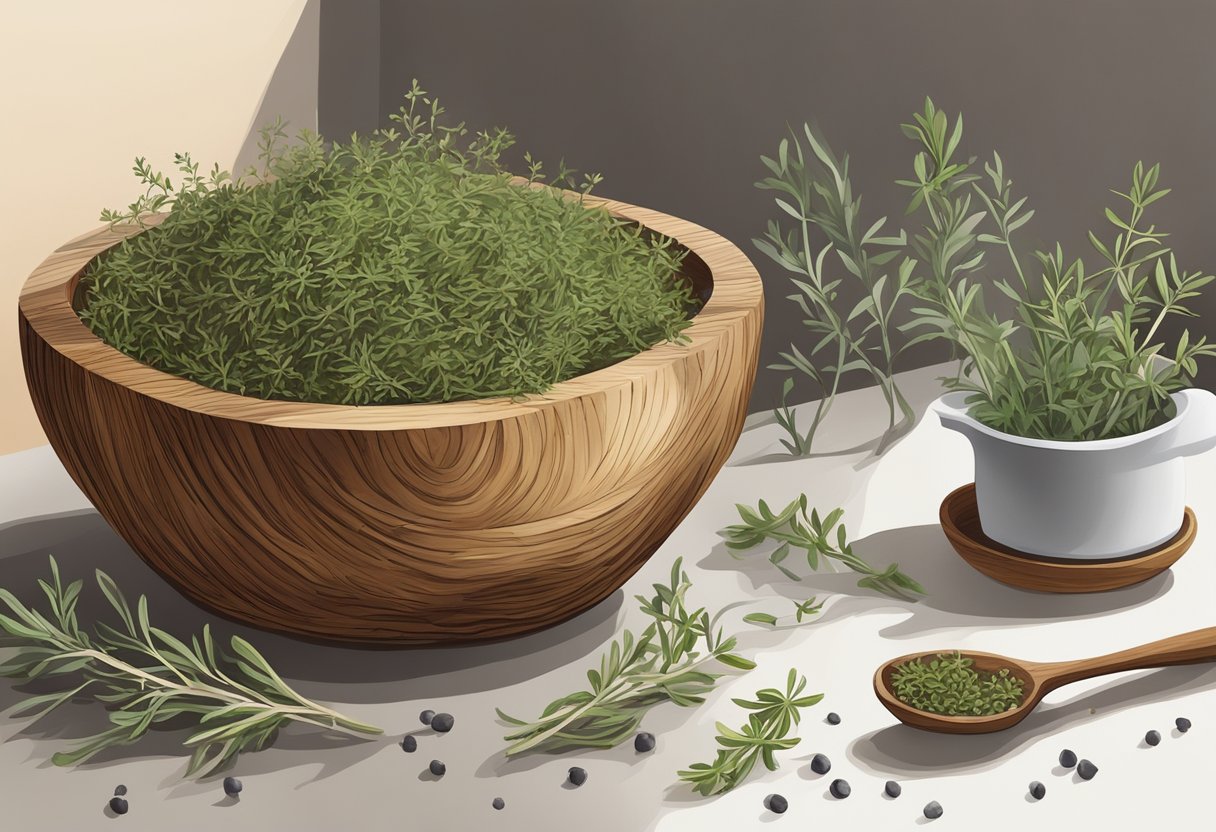
Thyme is a popular herb used in a variety of culinary dishes. It is available in both fresh and dried forms, and each form has its own unique characteristics.
Fresh Thyme
Fresh thyme has a strong, pungent flavor and aroma. It is commonly used in Mediterranean and French cuisines, and pairs well with meats, vegetables, and sauces. Fresh thyme can be added to dishes whole or chopped, and is often used in marinades and rubs.
Dried Thyme
Dried thyme has a more concentrated flavor than fresh thyme, and is a convenient option for those who do not have access to fresh herbs. It is commonly used in soups, stews, and casseroles, and can also be added to spice blends and rubs. When using dried thyme, it is important to remember that it is more potent than fresh thyme, so a smaller amount should be used.
Thyme is a versatile herb that can be used in a variety of culinary applications. Whether using fresh or dried thyme, it is important to choose high-quality herbs and store them properly to ensure maximum flavor and freshness.
Substitutes for Thyme
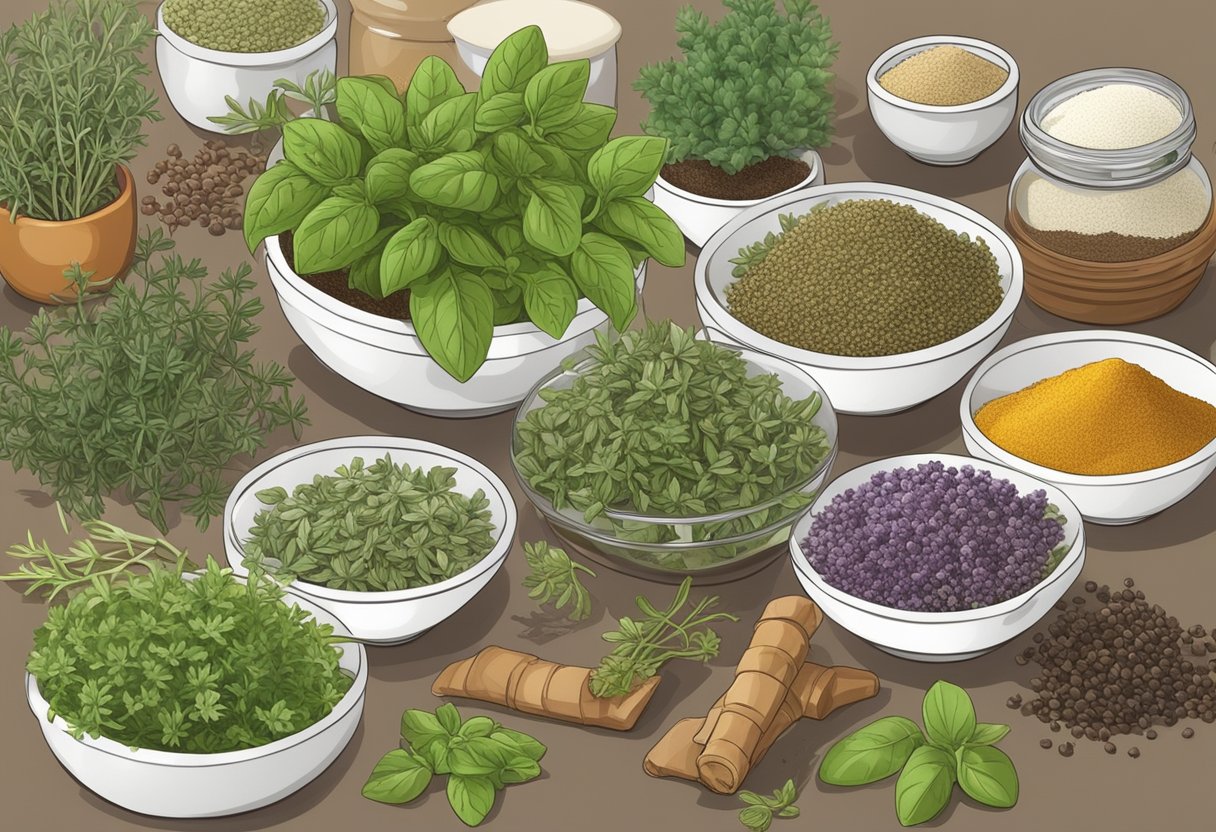
When you run out of thyme, there are a few spices that can be used as a substitute in your recipes. Here are some options to consider:
Italian Seasoning as Substitute
Italian seasoning is a blend of herbs commonly used in Italian cuisine. It typically contains basil, oregano, rosemary, and thyme. As thyme is one of the ingredients, Italian seasoning can be a good substitute for thyme. However, keep in mind that the flavor of Italian seasoning may be slightly different from thyme, so adjust the quantity accordingly.
Poultry Seasoning as Substitute
Poultry seasoning is a blend of herbs commonly used to season poultry dishes. It typically contains sage, thyme, marjoram, rosemary, and black pepper. As thyme is one of the ingredients, poultry seasoning can be a good substitute for thyme. However, keep in mind that the flavor of poultry seasoning may be slightly different from thyme, so adjust the quantity accordingly.
Herbes de Provence as Substitute
Herbes de Provence is a blend of herbs commonly used in French cuisine. It typically contains savory, thyme, rosemary, marjoram, and oregano. As thyme is one of the ingredients, Herbes de Provence can be a good substitute for thyme. However, keep in mind that the flavor of Herbes de Provence may be slightly different from thyme, so adjust the quantity accordingly.
Za’atar as Substitute
Za’atar is a Middle Eastern spice blend that typically contains thyme, sumac, sesame seeds, and salt. As thyme is one of the ingredients, Za’atar can be a good substitute for thyme. However, keep in mind that the flavor of Za’atar may be slightly different from thyme, so adjust the quantity accordingly.
In conclusion, when you run out of thyme, there are a few spices that can be used as a substitute. Italian seasoning, poultry seasoning, Herbes de Provence, and Za’atar are all good options to consider. Keep in mind that the flavor of these substitutes may be slightly different from thyme, so adjust the quantity accordingly to achieve the desired taste in your recipe.
Incorporating Thyme in Recipes
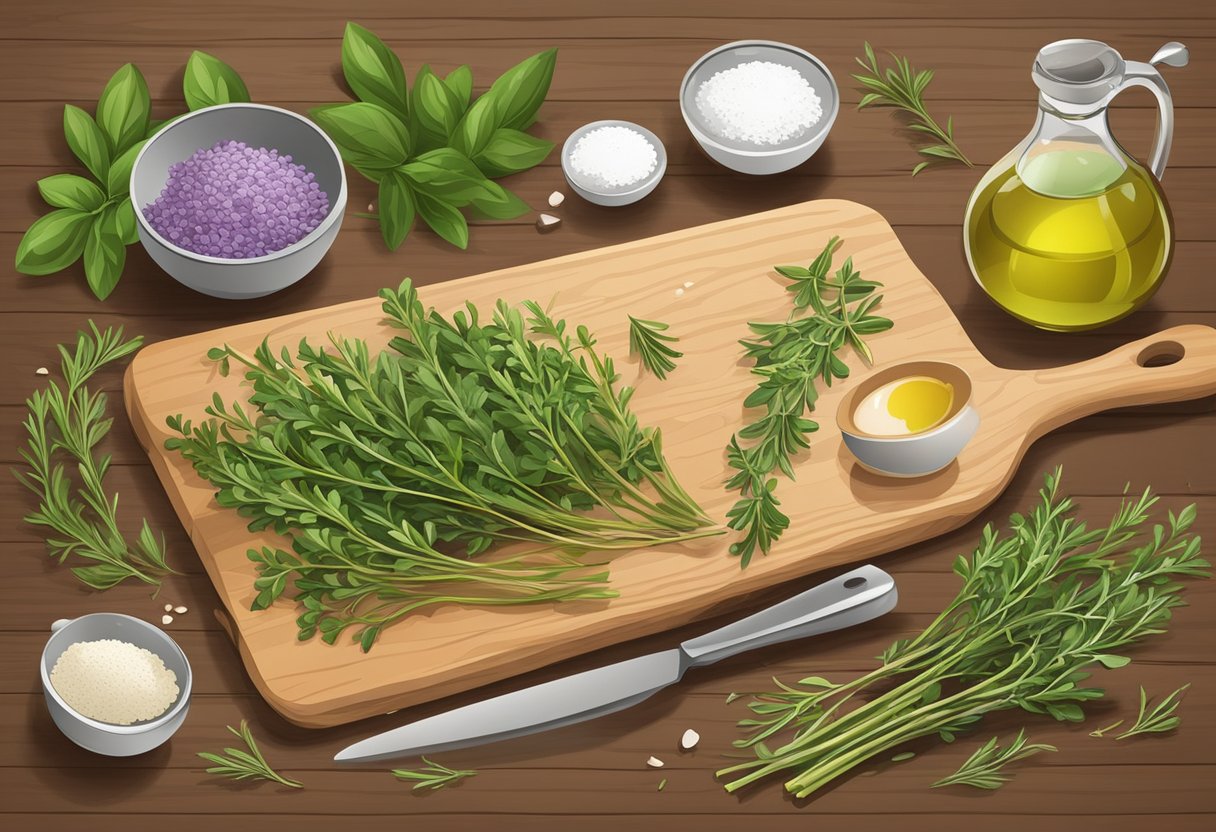
Thyme is a popular herb that has a unique flavor and aroma that can enhance the taste of many dishes. Here are some tips for incorporating thyme in your recipes:
1. Chicken Recipes
Thyme is a great herb to use in chicken recipes. It pairs well with chicken and can add a lot of flavor to the dish. One way to use thyme in chicken recipes is to add it to the marinade. Simply mix some thyme with olive oil, garlic, and lemon juice, and marinate the chicken for a few hours before cooking.
Another way to use thyme in chicken recipes is to sprinkle it on top of the chicken before cooking. This will give the chicken a nice flavor and aroma.
2. Soups and Stews
Thyme is also a great herb to use in soups and stews. It pairs well with vegetables and can add a lot of flavor to the dish. Simply add some thyme to the soup or stew while it is cooking, and let it simmer for a while to allow the flavors to meld together.
3. Roasted Vegetables
Thyme can also be used to add flavor to roasted vegetables. Simply sprinkle some thyme on top of the vegetables before roasting, and they will come out with a delicious flavor and aroma.
4. Salad Dressings
Thyme can also be used to add flavor to salad dressings. Simply mix some thyme with olive oil, vinegar, and mustard, and use the dressing to top your favorite salad.
In conclusion, thyme is a versatile herb that can be used in many different types of dishes. Whether you are making chicken, soups and stews, roasted vegetables, or salad dressings, thyme can add a lot of flavor and aroma to your recipes.
Unique Attributes of Thyme
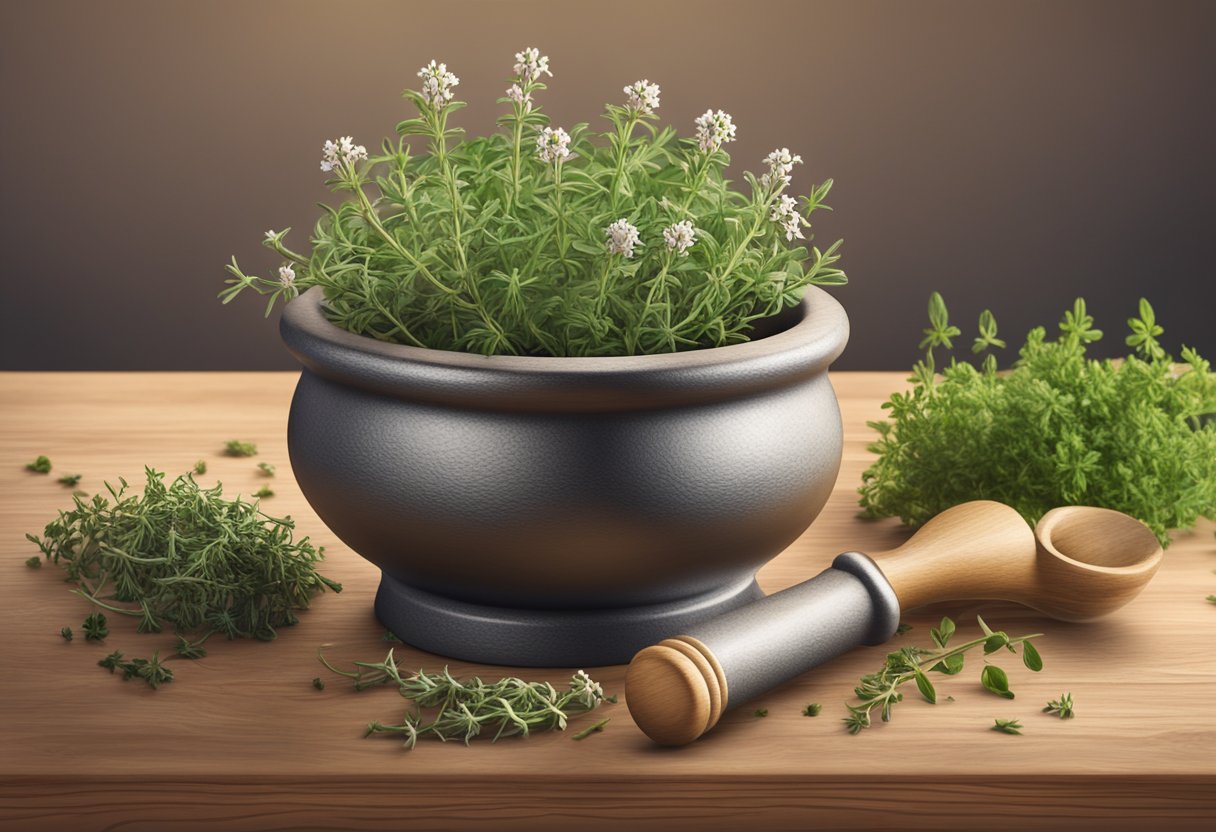
Thyme is a versatile herb that has been used for centuries in cooking and medicine. It is known for its unique peppery and minty flavor that adds depth and complexity to many dishes. Here are some of the unique attributes of thyme:
Flavor Profile
Thyme has a distinct, herbaceous flavor that is both peppery and minty. Its flavor is strong and can easily overpower other flavors in a dish if not used in moderation. Thyme is commonly used in savory dishes such as soups, stews, and sauces, but it can also be used in sweet dishes like desserts and baked goods.
Medicinal Properties
Thyme has been used for centuries in traditional medicine to treat a variety of ailments. It is rich in antioxidants and has anti-inflammatory properties that can help boost the immune system and reduce inflammation in the body. Thyme has also been shown to have antibacterial and antifungal properties, making it effective in fighting off infections.
Culinary Uses
Thyme is a versatile herb that can be used in a variety of dishes. It pairs well with meats, fish, and vegetables, and can be used fresh or dried. Thyme is often used in Mediterranean and Middle Eastern cuisine, and is a key ingredient in classic French dishes like bouillabaisse and coq au vin.
In conclusion, thyme is a versatile herb that adds a unique flavor profile to many dishes. Its medicinal properties and culinary uses make it a valuable addition to any kitchen.
See also:
Leave a Reply