Originally posted on December 4, 2023 @ 4:22 am
Chili powder is a popular spice blend used in various dishes worldwide. However, there may be times when you need to find a substitute for red chili powder. Exploring alternative spices allows for culinary flexibility and can help you spice up your meals even without the traditional chili powder.
Table of Contents
Key Takeaways:
- Discovering red chili powder substitutes can add variety to your cooking.
- Alternative spices can replicate the desired heat and flavor in your recipes.
- Experimenting with different substitutes can help you achieve the desired flavor profile for your specific dish.
- Blending your own chili powder allows you to customize the seasoning to suit your preferences.
- Understanding the difference between chili powder and chile powder can guide your substitute choices.
Understanding Chili Powder and Its Composition
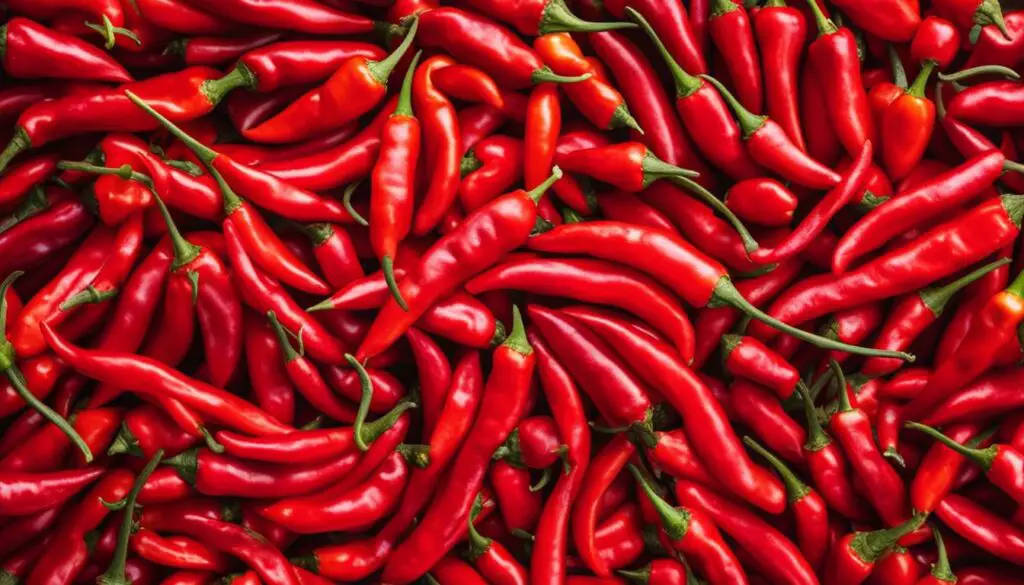
When it comes to cooking, chili powder is a staple spice blend that adds both heat and flavor to a variety of dishes. But what exactly is chili powder, and what is it made of? Understanding the composition of chili powder is essential when searching for a substitute.
Chili powder is a blend of dried, ground chilies, combined with other spices like cumin, garlic powder, and oregano. The specific combination of spices can vary, giving different chili powders their unique flavor profiles. The heat level of chili powder can also differ depending on the type and amount of chilies used in the blend.
To find a suitable substitute for chili powder, it’s important to consider the overall flavor profile and heat that it brings to a dish. While chili powder provides a distinct smoky and slightly spicy taste, different alternatives can be utilized to replicate or enhance these qualities.
This knowledge of chili powder’s composition will help you choose appropriate substitutes that can provide similar flavors and levels of heat in your recipes. Whether you are looking for a milder option or a spicier alternative, understanding the composition of chili powder can help you make informed choices in the kitchen.
Table: Comparison of Chili Powder Alternatives
| Chili Powder Alternatives | Flavor Profile | Heat Level | Usage |
|---|---|---|---|
| Cayenne Pepper | Hot and pungent | High | Great for adding heat to dishes |
| Paprika | Smoky and mild | Low | Perfect for adding flavor without too much heat |
| Chipotle Chili Powder | Smoky and medium heat | Medium | Brings a unique depth of flavor to dishes |
| Red Pepper Flakes | Hot and slightly fruity | High | Great for adding a kick to recipes |
As you can see from the table above, there are several alternatives to chili powder that can be used as substitutes in your cooking. Cayenne pepper is a popular choice for those seeking a spicier kick, while paprika offers a milder yet smoky flavor. Chipotle chili powder brings a unique smoky profile with medium heat, and red pepper flakes provide a high level of heat and a slightly fruity taste.
Experimenting with these chili powder substitutes allows you to explore new flavors and tailor your dishes to your personal taste preferences. Whether you’re looking to add more heat or dial it back, understanding these alternatives will help you create delicious meals without compromising on flavor.
Common Substitutes for Chili Powder
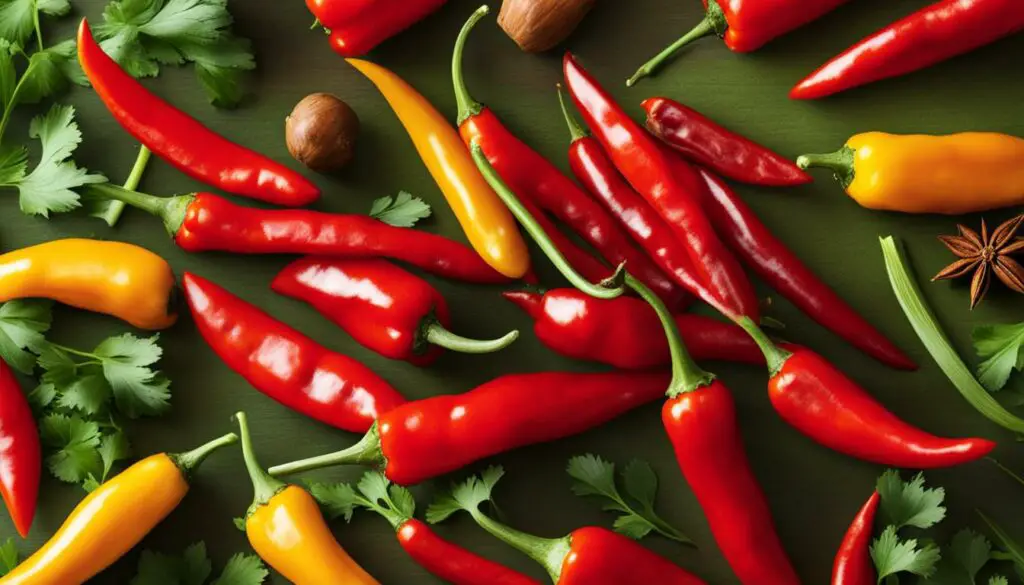
When you need to replace red chili powder in your recipes, there are several common substitutes that can add heat and flavor to your dishes. Whether you prefer a spicier alternative or a milder substitute, there are options to suit your taste. Here are some popular alternatives:
- Cayenne Pepper: This fiery spice can be used as a direct substitute for red chili powder to add intense heat to your recipes. Use it sparingly if you prefer a milder flavor.
- Cumin and Paprika Blend: Create your own spice mix by combining cumin and paprika in equal parts. This blend will give your dishes a slightly smoky flavor with a hint of warmth.
- Oregano, Garlic, and Onion Powder: For a milder substitute, mix equal parts of dried oregano, garlic powder, and onion powder. This blend will add a savory flavor to your dishes without the intense heat.
- Red Pepper Flakes: If you’re looking for a quick and easy substitute, red pepper flakes can provide the desired heat. Sprinkle them into your recipes according to your taste preference.
- Tex-Mex Blends and Cajun Seasoning: These pre-made spice blends can be used as substitutes for red chili powder in Tex-Mex or Cajun-inspired dishes. They offer a combination of flavors that can enhance your recipes.
- Hot Sauces: If you enjoy the tangy and spicy kick of hot sauces, they can be used as a substitute for red chili powder. Adjust the quantity according to your desired spice level.
These substitutes can provide the desired flavor and spice level in your recipes, allowing you to create delicious meals even without the traditional red chili powder.
Specific Substitutes for Different Dishes
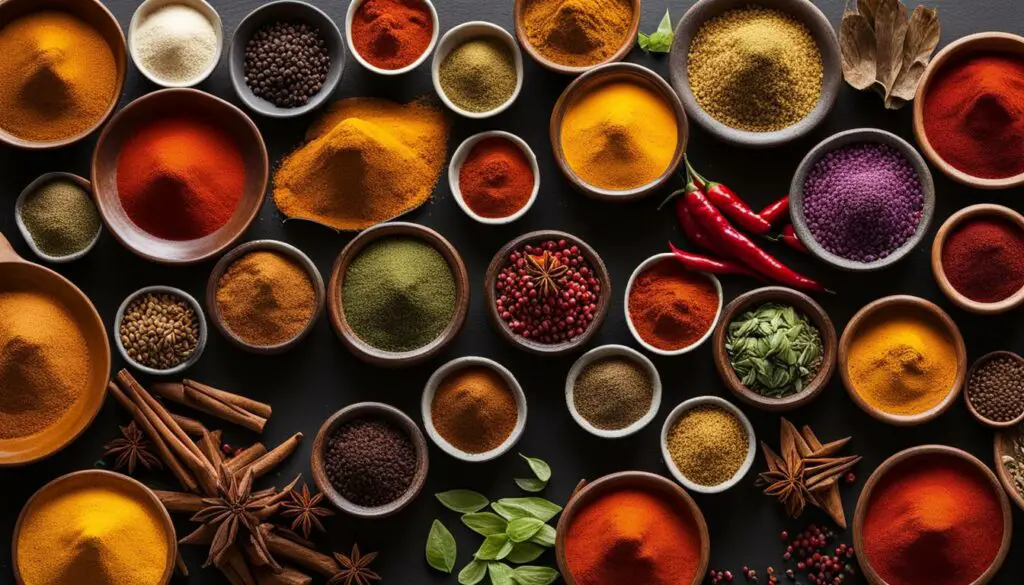
When it comes to cooking with substitutes for red chili powder, it’s important to consider the specific dish you’re preparing. Different cuisines and flavor profiles call for different substitutes that can best replicate the desired taste and heat. Here are some specific substitutes that work well in various dishes:
Tacos and Enchiladas:
For Mexican-inspired dishes like tacos and enchiladas, a blend of cumin, dried oregano, and paprika can be used as a substitute for red chili powder. This combination adds a smoky and slightly spicy flavor that complements the other ingredients in these dishes.
Beans and Stews:
If you’re cooking beans or stews, a mix of ground cumin, ground coriander, and smoked paprika can add depth and warmth to the dish. This combination provides a rich and earthy flavor that enhances the overall taste of the beans or stews.
Indian Cuisine:
In Indian cuisine, there are suitable substitutes for red chili powder that can be used in various dishes. Pasilla, ancho, or mulato chilies can be ground up and used as a substitute for red chili powder in mole sauces. These chilies offer a complex and robust flavor that adds depth to Indian dishes.
Experimenting with these substitutes can help you achieve the desired flavor profile for your specific dish, whether you’re cooking Mexican, American, or Indian cuisine. Make sure to adjust the quantities of the substitutes based on your personal preference for heat and flavor.
Remember, cooking is all about exploring new flavors and being creative in the kitchen. Don’t be afraid to try different substitutes for red chili powder and adjust them to suit your taste. The beauty of cooking lies in the ability to experiment and discover new ways to spice up your favorite recipes.
Cooking Without Red Chili Powder: Exploring Spice Alternatives
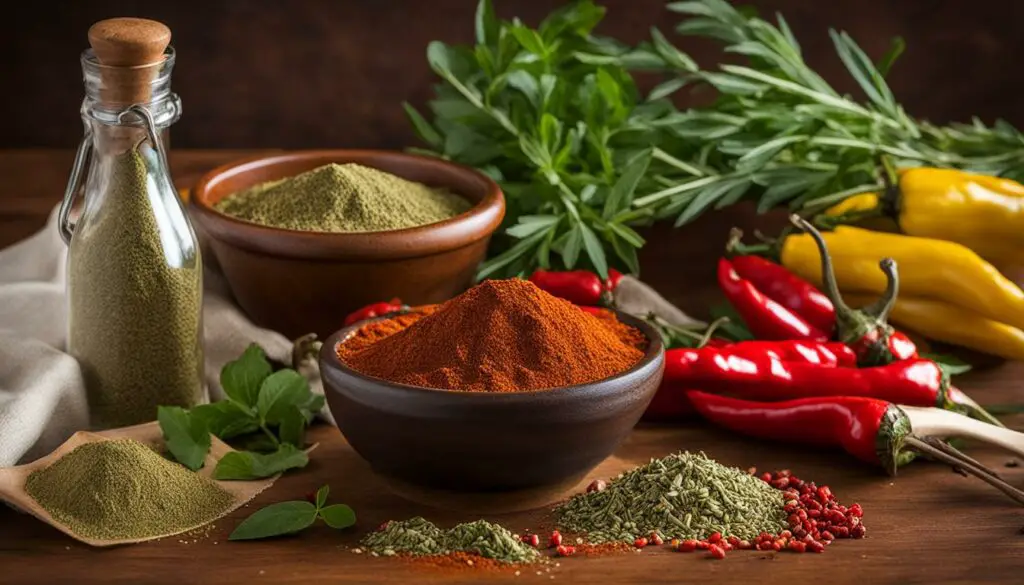
While red chili powder is a common spice used in many recipes, there are numerous alternatives that can bring heat and flavor to your dishes. Whether you’re looking for a substitute due to allergies, dietary restrictions, or simply want to try something new, there are plenty of spice options to experiment with in your cooking.
Exploring Spice Alternatives
When it comes to replacing red chili powder, one option is to create your own spice blend using alternative spices. A popular combination includes paprika, cayenne pepper, cumin, and garlic powder. This blend can provide a similar level of heat and smokiness to your dishes. You can adjust the quantities of each spice to achieve the desired flavor profile.
Another alternative is to use individual spices to add heat and flavor. Cayenne pepper, crushed red pepper flakes, or even hot sauce can be used as substitutes. These options allow you to control the spiciness of your dish, adding as little or as much heat as desired. Additionally, spices like cumin, paprika, and smoked paprika can provide depth and complexity to your recipes.
Table: Spice Alternatives for Red Chili Powder
| Spice | Flavor Profile | Heat Level |
|---|---|---|
| Paprika | Smoky, sweet, or spicy | Mild to medium |
| Cayenne Pepper | Spicy, slightly sweet | Medium to hot |
| Crushed Red Pepper Flakes | Spicy, slightly smoky | Medium to hot |
| Cumin | Earthy, nutty | Mild |
Experimenting with different spice combinations can help you find a substitute that suits your taste preferences. Don’t be afraid to get creative in the kitchen and try new flavors to enhance your favorite recipes.
The Difference Between Chili Powder and Chile Powder
When looking for alternatives to red chili powder, it’s essential to understand the difference between chili powder and chile powder. While the names may sound similar, they refer to distinct ingredients with varying characteristics. This knowledge can help you make informed choices when substituting one for the other in your recipes.
Chili powder typically refers to a blend of spices, which often includes dried, ground chilies along with other seasonings such as cumin, garlic powder, and oregano. This spice blend is known for adding both heat and flavor to dishes. On the other hand, chile powder usually refers to the powder derived from a specific dried chili pepper, such as ancho or chipotle. It is comprised solely of the ground pepper without any additional spices. The flavor and heat level of chile powder can vary depending on the type of pepper used.
When substituting chili powder with chile powder, it’s important to consider the flavor profile you’re aiming for. If you’re looking to replicate the complex flavor of chili powder, you may need to add additional spices to the dish, such as cumin or garlic powder, to compensate for the absence of those flavors in chile powder. Alternatively, if you’re seeking a pure chili flavor without the additional spices, using chile powder as a substitute can provide a more straightforward heat profile.
In summary, while chili powder and chile powder share similarities in name, they differ in composition and flavor. Understanding this distinction allows you to choose the right substitute for your recipes, whether you’re looking for a multi-spice blend or a pure chili flavor.
Chipotle Chile Powder as a Substitute
If you’re looking for a versatile and flavorful substitute for red chili powder, chipotle chili powder is a great option to consider. Made from dried and smoked jalapeno peppers, chipotle chili powder offers a unique smoky and spicy flavor profile that can add depth and richness to your dishes.
One of the key benefits of using chipotle chili powder as a substitute is its ability to provide a smoky flavor that can enhance both savory and spicy recipes. Whether you’re making chili con carne, BBQ sauce, or marinades, chipotle chili powder can lend a delicious smoky undertone that adds a new dimension to your favorite dishes.
However, it’s important to note that chipotle chili powder tends to be hotter than traditional red chili powder. So, when substituting, be mindful of the spice level and adjust the quantity according to your desired heat preference. It’s always better to start with a smaller amount and gradually add more to achieve the right balance of flavors without overpowering the dish.
So, if you’re in need of a red chili powder substitute that brings a smoky and spicy kick to your recipes, give chipotle chili powder a try. Its unique flavor profile can elevate your dishes and give them a delightful twist that will surely impress your taste buds.
Table: Comparison of Red Chili Powder and Chipotle Chili Powder
| Aspect | Red Chili Powder | Chipotle Chili Powder |
|---|---|---|
| Flavor Profile | Spicy and earthy | Smoky and spicy |
| Heat Level | Varies (can be mild to hot) | Generally hotter |
| Usage | Wide range of dishes | Ideal for savory and spicy recipes |
| Preparation | Blend of dried and ground chilies | Dried and smoked jalapeno peppers |
Paprika as a Substitute
Paprika, made from dried mild red peppers, is a versatile substitute for red chili powder. It offers a smoky flavor profile and can be used in a variety of dishes. Whether you’re looking to add a subtle hint of spice or enhance the color of your dish, paprika is a great option. There are different varieties of paprika available, each with its own unique characteristics, so you can experiment and find the perfect match for your recipe.
When using paprika as a substitute for red chili powder, it’s important to consider the heat level. While paprika does add some spiciness, it is generally milder compared to chili powder. If you prefer a spicier flavor, you can opt for hot smoked paprika or Hungarian paprika. These varieties have a bit more heat and can provide a similar kick to your dishes.
To incorporate paprika into your recipes, simply replace the red chili powder with an equal amount of paprika. You can use it in marinades, rubs, soups, stews, and even as a seasoning for roasted vegetables. Its vibrant color and smoky flavor will add depth to your dishes and make them visually appealing.
Here’s an example of a table showcasing different types of paprika and their flavor profiles:
| Type of Paprika | Flavor Profile |
|---|---|
| Smoked Paprika | Intense smoky flavor with mild to medium heat |
| Sweet Hungarian Paprika | Mild and slightly sweet flavor |
| Hot Hungarian Paprika | Moderate heat with a touch of sweetness |
| Hot Smoked Paprika | Robust smoky flavor with noticeable heat |
As you can see, each type of paprika offers a distinct flavor profile, allowing you to tailor your dishes to your taste preferences. Don’t be afraid to experiment with different varieties and quantities to find the perfect substitute for red chili powder in your recipes.
Conclusion
When it comes to cooking without red chili powder, there are numerous substitutes available that can still bring heat and flavor to your dishes. Whether you choose to experiment with alternative spices, create your own spice blend, or try specialty blends like berbere, the possibilities are endless.
By understanding the composition and flavor profile of chili powder, you can make informed decisions about which substitutes will best replicate the desired heat and flavor in your recipes. For Mexican-inspired dishes, a blend of cumin, dried oregano, and paprika can be a suitable replacement, while in Indian cuisine, pasilla, ancho, or mulato chilies can be used in mole sauces.
Don’t be afraid to get creative in the kitchen and explore the world of spice alternatives. Chipotle chili powder offers a smoky and spicy flavor, while paprika provides a mild and versatile substitute. Remember to adjust the quantity of the substitute according to your desired spice level and be mindful of the salt content in different varieties of paprika.
So, whether you’re looking to reduce the heat, adapt to dietary restrictions, or simply try something new, cooking without red chili powder doesn’t mean sacrificing flavor. Embrace the opportunity to experiment with substitutes and discover new ways to spice up your favorite recipes.
FAQ
What can I use as a substitute for red chili powder?
Some common substitutes for red chili powder include cayenne pepper, paprika, chipotle chili powder, and homemade spice mixes.
How do I make my own chili powder substitute?
You can make your own chili powder substitute by blending dried chili peppers with spices like cumin, garlic powder, onion powder, and oregano.
Are there specific substitutes for different types of dishes?
Yes, depending on the dish you’re preparing, there are different substitutes that work well. For Mexican-inspired dishes, a blend of cumin, dried oregano, and paprika can be used. For Indian cuisine, you can use pasilla, ancho, or mulato chilies for mole sauces.
Can I use chipotle chili powder as a substitute?
Yes, chipotle chili powder can be a great substitute for red chili powder. It offers a smoky and spicy flavor profile that can enhance your dishes.
Is paprika a suitable substitute for red chili powder?
Yes, paprika can be a versatile substitute for red chili powder. It provides a smoky flavor and can be used in various dishes. Just be mindful of the salt content in different varieties of paprika and adjust the measurements accordingly.
What’s the difference between chili powder and chile powder?
Chili powder is a blend of spices, while chile powder usually refers to one type of dried and ground pepper. It’s important to understand this distinction when choosing substitutes for recipes.
Can I create my own spice blend at home?
Yes, you can create your own spice blend by combining dried chili peppers with other flavorful spices. Toast the dried chili peppers before blending them with spices like cumin, garlic powder, onion powder, and oregano to enhance their flavor.
How can I control the heat level when using substitutes?
The heat level can be adjusted by using less or more of the substitute spice, depending on your desired spice level. It’s best to start with smaller amounts and add more gradually, tasting as you go.
What are some other spices I can use as substitutes?
Other spices that can be used as substitutes for red chili powder include red pepper flakes, Tex-Mex blends, Cajun seasoning, and even hot sauces. These can provide the desired flavor and spice level in your recipes.
Source Links
- https://thekitchencommunity.org/substitutes-for-chili-powder/
- https://www.thekitchn.com/chili-powder-substitutes-23498844
- https://www.tastingtable.com/962468/alternatives-for-chili-powder/
See also:
Leave a Reply