Originally posted on December 4, 2023 @ 4:17 am
Ever found yourself in the middle of cooking, only to realize you’re out of chili powder? Don’t panic! There are plenty of alternatives to keep your recipes flavorful and exciting. Whether you prefer a homemade blend or need a quick substitute, we’ve got you covered. Say goodbye to bland dishes and hello to delicious creativity!
When it comes to replacing chili powder, there are several options to consider. From creating your own homemade blend to exploring alternative spices, you’ll find a solution that suits your taste buds. Let’s dive in and discover the possibilities!
Table of Contents
Key Takeaways:
- Running out of chili powder doesn’t mean sacrificing flavor in your recipes.
- Homemade chili powder made with a blend of spices is the best substitute.
- A combination of paprika, cumin, and cayenne can also work well as a substitute.
- Other alternatives include red pepper flakes, black pepper, Cajun seasoning, ancho chili powder, and hot sauce.
- Experimenting with different spice combinations can result in unique flavors while still providing the essence of chili powder.
The Versatility of Chili Powder
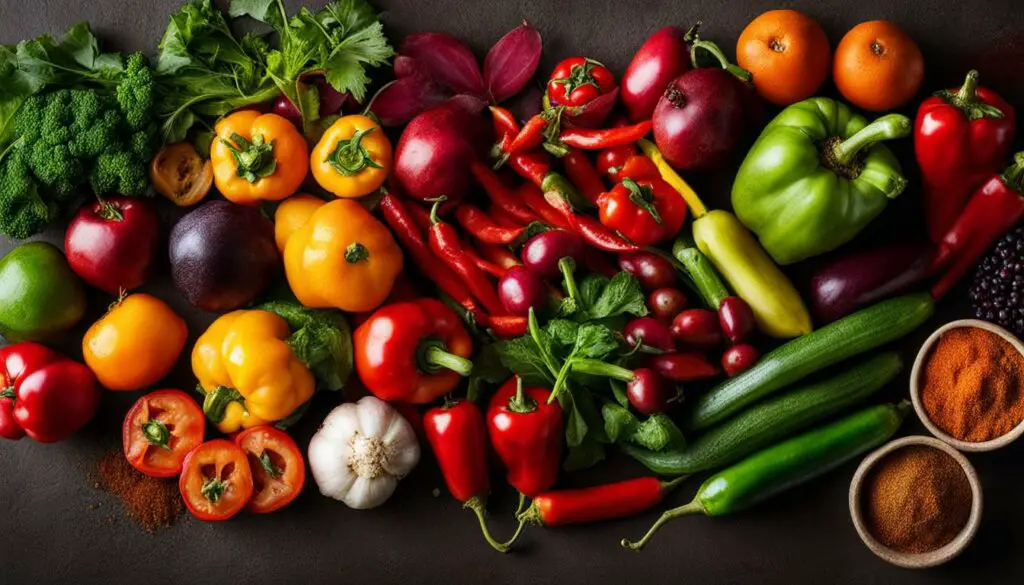
Chili powder is a versatile spice that is widely used in various cuisines, particularly in Mexican cooking. Its distinct flavor profile and touch of heat make it an essential ingredient in many dishes. Whether you’re making a hearty chili, adding a kick to your taco seasoning, or spicing up your barbecue sauce, chili powder can elevate the flavor of your recipes.
In Mexican cuisine, chili powder is a common ingredient that adds depth and complexity to dishes. It is used in traditional recipes like enchiladas, tamales, and mole sauce. The smoky and spicy notes of chili powder complement the other ingredients, creating a balanced and flavorful dish.
“Chili powder adds a unique flavor profile and a touch of heat to recipes.”
Not limited to Mexican cuisine, chili powder is also a popular addition to many Tex-Mex dishes. It enhances the taste of beans, gives a zesty kick to taco fillings, and brings a burst of flavor to homemade salsa. With its versatility, chili powder can be incorporated into a wide range of recipes to suit your taste preferences.
| Uses of Chili Powder | Examples |
|---|---|
| Chili | Classic chili con carne |
| Taco Seasoning | Homemade taco seasoning mix |
| Barbecue Sauce | Spicy barbecue chicken wings |
| Tex-Mex Dishes | Enchiladas, quesadillas, and fajitas |
When using chili powder in your recipes, it’s important to consider your desired level of spiciness. You can adjust the amount of chili powder to suit your taste preferences, making it milder or hotter as desired. Adding chili powder in small increments allows you to control the heat and flavor, ensuring a well-balanced and enjoyable dish.
The Many Uses of Chili Powder
The versatility of chili powder extends beyond the kitchen. It can also be used as a seasoning for homemade snacks like roasted nuts or popcorn. Sprinkle a dash of chili powder on your favorite snacks for an added punch of flavor. You can even experiment with using chili powder in marinades or rubs for meats and vegetables, giving your dishes a delicious and spicy twist.
With its distinctive taste and ability to elevate the flavor of various dishes, chili powder is a must-have spice in any kitchen. Its versatility and ability to add depth and heat make it a valuable addition to your spice rack. Whether you’re cooking Mexican-inspired dishes or exploring new flavor combinations, chili powder is a key ingredient that will spice up your recipes.
Homemade Chili Powder Recipe
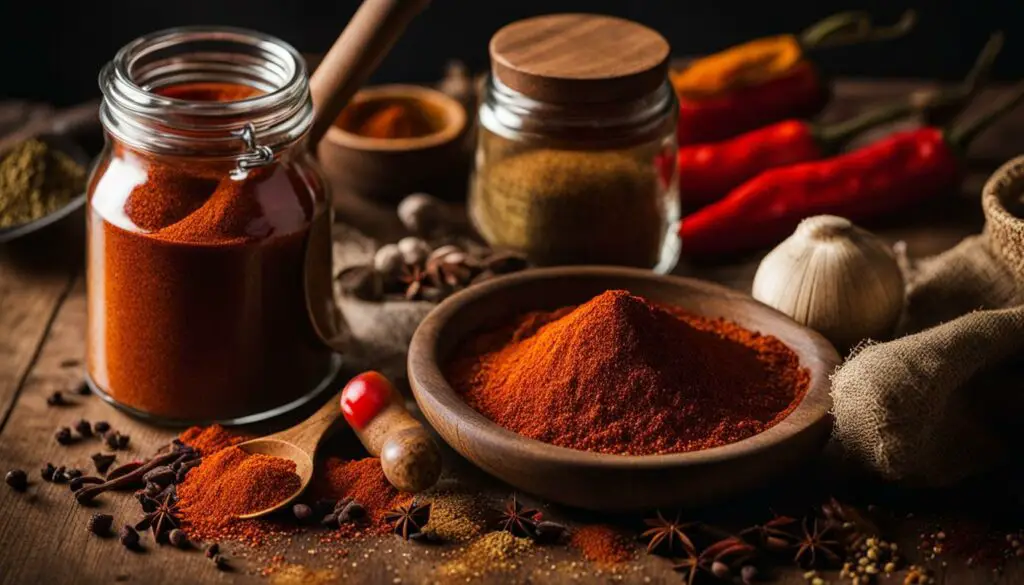
When it comes to replacing chili powder in your recipes, making your own homemade chili powder is a fantastic option. Not only does it allow you to customize the flavor to your liking, but it also ensures that you have control over the quality and freshness of the spices used. Here is a simple recipe for homemade chili powder:
| Ingredients | Measurements |
|---|---|
| Paprika | 2 tablespoons |
| Cumin | 1 tablespoon |
| Garlic powder | 1 tablespoon |
| Onion powder | 1 tablespoon |
| Oregano | 1 teaspoon |
| Cayenne | 1 teaspoon |
To make the homemade chili powder, simply combine all the ingredients in a bowl and mix well until they are evenly blended. Store the mixture in an airtight container, away from direct sunlight, to preserve its freshness and flavor.
Homemade chili powder allows you to customize the flavor to your liking and ensures you have control over the quality and freshness of the spices used.
Once you have your homemade chili powder ready, you can use it in a variety of recipes, such as chili, tacos, soups, stews, and more. It adds a delicious smoky and slightly spicy kick to your dishes, elevating the overall flavor profile.
So, next time you find yourself without chili powder in your pantry, don’t fret. With this homemade chili powder recipe, you can easily create a flavorful substitute that will enhance your recipes with its unique blend of spices.
Paprika, Cumin, and Cayenne Mix
If you don’t have all the necessary spices to make homemade chili powder, a mix of paprika, cumin, and cayenne can be an excellent substitute. This combination provides a similar flavor profile and a hint of heat that chili powder offers.
Paprika, known for its smoky and slightly sweet flavor, serves as the base for this substitute. It adds depth and richness to the mix, mimicking the earthiness of chili powder. Cumin, with its warm and slightly nutty taste, adds complexity and enhances the savory notes. Cayenne pepper brings the necessary heat, allowing you to adjust the spice level according to your preferences.
To create your own paprika, cumin, and cayenne mix, combine equal parts of paprika, cumin, and cayenne in a bowl or spice jar. Mix well to ensure the flavors are evenly distributed. You can use this substitute in recipes that call for chili powder, adjusting the amount according to your desired taste. Remember that cayenne can be quite spicy, so start with a small amount and gradually add more if needed.
| Ingredient | Quantity |
|---|---|
| Paprika | 1 tablespoon |
| Cumin | 1 tablespoon |
| Cayenne | 1/4 to 1/2 teaspoon |
Other Chili Powder Substitutes
While homemade chili powder and the mixture of paprika, cumin, and cayenne are great alternatives to chili powder, there are other options available for those seeking non-spicy substitutes or looking to experiment with different flavors. Here are a few more alternatives that can add a unique twist to your recipes:
- Red Pepper Flakes: Ground into a powder consistency, red pepper flakes can provide a subtle heat without being as spicy as chili powder. Use sparingly to avoid overwhelming the dish with heat.
- Black Pepper: Although it doesn’t offer the same smoky flavor as chili powder, black pepper can add a mild heat and depth of flavor to your recipes.
- Cajun Seasoning: With its blend of herbs and spices like paprika, garlic powder, and thyme, Cajun seasoning can bring a bold and flavorful twist to your dishes.
- Ancho Chili Powder: Made from dried poblano peppers, ancho chili powder offers a milder heat and a slightly sweet and smoky flavor. Use it in moderation as a substitute for regular chili powder.
- Hot Sauce: Depending on the recipe and your preference for heat, hot sauce can be used as a chili powder replacement. Be cautious with the amount you use, as hot sauces vary in heat intensity.
These alternatives can be used in various recipes, providing unique flavors and heat levels. Feel free to experiment and adjust the quantities to suit your taste preferences and the specific dish you’re preparing.
Remember, the key is to find a substitute that complements the overall flavor profile of your recipe and enhances its depth and complexity. Whether you choose homemade chili powder or one of the alternatives mentioned, you can continue to enjoy delicious and flavorful dishes even without traditional chili powder.
Table: Chili Powder Substitutes
| Substitute | Flavor Profile | Heat Level | Best For |
|---|---|---|---|
| Homemade Chili Powder | Smoky, robust | Medium to hot | Most recipes |
| Paprika, Cumin, and Cayenne Mix | Smoky, slightly tangy | Medium to hot | Recipes that call for chili powder |
| Red Pepper Flakes | Subtle heat | Mild | Non-spicy alternatives |
| Black Pepper | Mild heat, pungent | Mild | Enhancing flavor in non-spicy recipes |
| Cajun Seasoning | Spicy, flavorful | Medium to hot | Recipes that benefit from bolder flavors |
| Ancho Chili Powder | Subtle heat, smoky, sweet | Mild to medium | Recipes seeking a milder heat with a touch of smokiness |
| Hot Sauce | Varies depending on brand | Varies depending on brand | Recipes that can handle the added liquid and heat |
The Importance of Chili Powder in Recipes
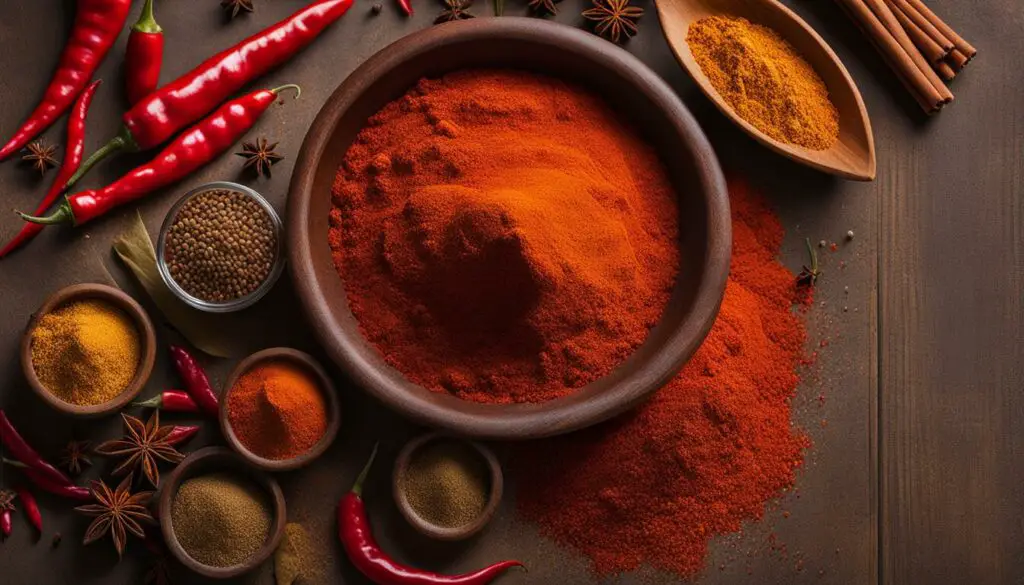
Chili powder is more than just a source of heat in your favorite recipes. It plays a vital role in enhancing the overall flavor profile and adding a smoky, balanced taste. Its distinctive blend of spices, such as paprika, cumin, garlic powder, and oregano, contributes to the depth and richness of dishes like chili, soups, stews, and various Tex-Mex recipes.
The flavor profile of chili powder is complex and versatile, making it a staple spice for many cuisines, particularly in Mexican dishes. It adds a unique depth of flavor and a touch of heat that complements a wide range of ingredients. Whether you’re making a hearty chili, a zesty taco seasoning, or even a flavorful barbecue sauce, chili powder provides that extra kick of flavor that elevates your dish to the next level.
“Chili powder adds a smoky and balanced taste to dishes like chili, soups, stews, and various Tex-Mex recipes.”
Aside from its flavor-enhancing properties, chili powder also contributes to the visual appeal of dishes. Its rich red color adds vibrancy and depth, making your meals more visually enticing. Next time you’re preparing a dish that calls for chili powder, take a moment to appreciate the importance of this versatile spice and the impact it has on your culinary creations.
Table: Uses of Chili Powder in Recipes
| Recipe | Uses of Chili Powder |
|---|---|
| Chili | Creates a flavorful base and adds a touch of heat |
| Taco seasoning | Provides a zesty and spicy flavor to meat and vegetables |
| Barbecue sauce | Enhances the smoky and tangy flavor profile |
| Beans | Adds depth and complexity to bean-based dishes |
| Tex-Mex and Mexican dishes | Contributes to the authentic flavors of these cuisines |
As you can see from the table above, chili powder is a versatile spice that can be used in a variety of recipes. Its unique flavor profile and ability to enhance the taste of dishes make it an essential ingredient in many kitchens. So, the next time you reach for that jar of chili powder, remember its importance in creating delicious and flavorful meals.
Make Your Own Chili Seasoning
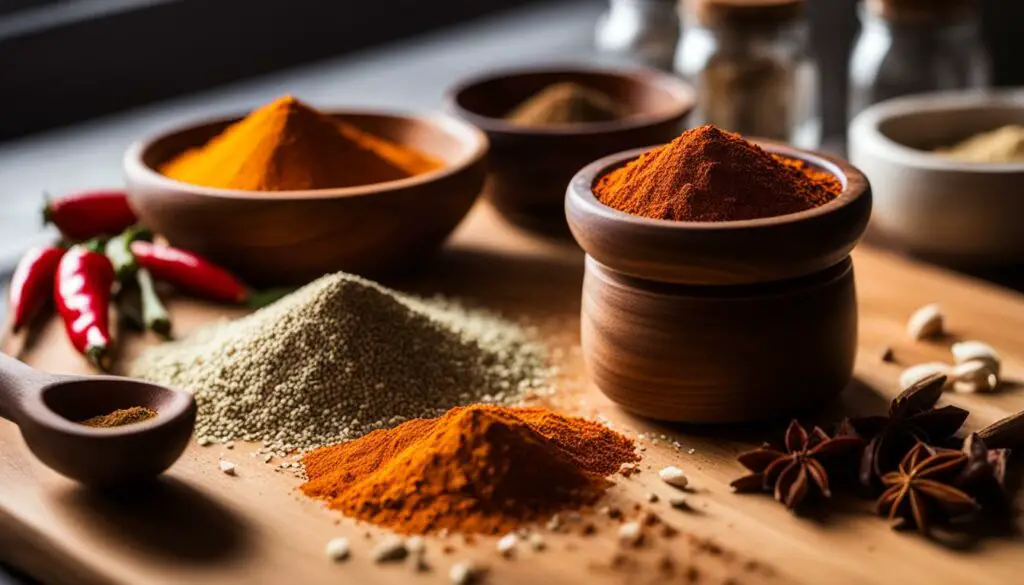
If you enjoy the bold and spicy flavors of chili powder but find yourself without it in your pantry, fear not! You can easily create your own homemade chili seasoning using a few common spices. DIY chili seasoning is a great way to customize the flavors and heat level to suit your taste preferences.
To make your own chili seasoning, start with a base of chili powder. This will be the main source of flavor and heat in your seasoning. You can then add other spices such as paprika, cumin, garlic powder, onion powder, and oregano to enhance the taste profile. Feel free to experiment with different ratios and quantities of each spice until you find the perfect balance.
Once you have your desired blend of spices, simply mix them together in a bowl and store the chili seasoning in an airtight container. This homemade chili seasoning can be used in a variety of recipes, from chili con carne to taco meat. It adds depth and complexity to dishes, elevating their flavor to the next level.
| Ingredients: | Quantity: |
|---|---|
| Chili powder | 2 tablespoons |
| Paprika | 1 tablespoon |
| Cumin | 1 tablespoon |
| Garlic powder | 1 teaspoon |
| Onion powder | 1 teaspoon |
| Oregano | 1 teaspoon |
Feel free to adjust the quantities of each spice to your liking. If you prefer a milder flavor, reduce the amount of chili powder or cayenne pepper. For a spicier kick, increase the quantities. The beauty of making your own chili seasoning is that you have complete control over the taste!
So the next time you run out of chili powder, don’t fret. With a few basic spices and a little creativity, you can whip up your own homemade chili seasoning in no time. Enjoy the delicious flavors and endless possibilities of DIY chili seasoning!
Experimenting with Substitutions
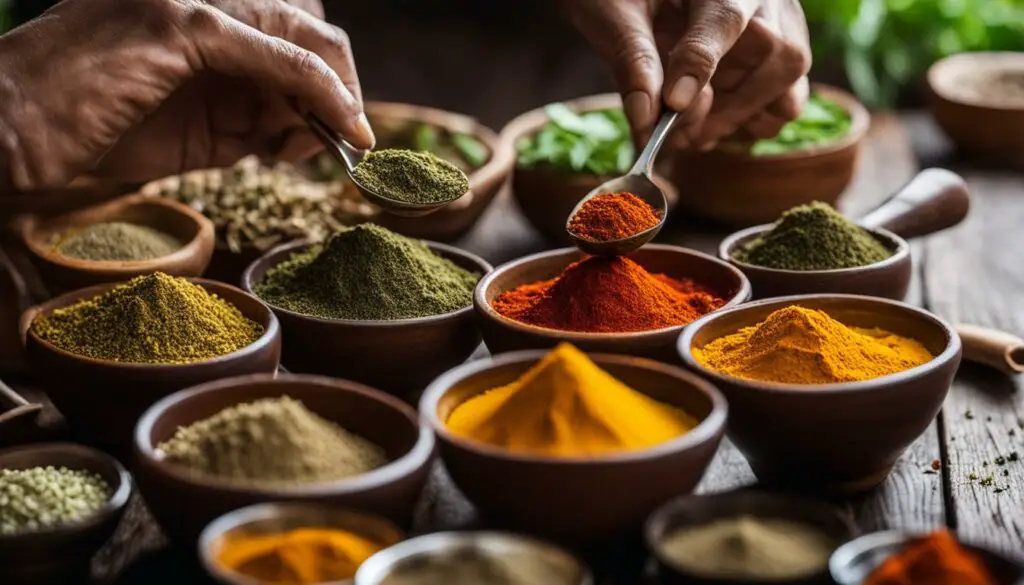
When you find yourself without chili powder in your pantry, there’s no need to panic. You can easily improvise and substitute with the spices you have on hand. While the best substitute is homemade chili powder, made with a blend of paprika, cumin, garlic powder, onion powder, oregano, and cayenne, there are other options available.
If you don’t have all the necessary spices to make your own chili powder, a combination of paprika, cumin, and cayenne can work well as a substitute. The ratio of these spices can be adjusted based on your preference for heat and flavor. Simply mix them together, and you’ll have a flavorful alternative to chili powder.
However, if you don’t have any of these spices on hand, you can still experiment with other substitutes. Red pepper flakes, when ground into a powder consistency, can provide a similar level of heat. Additionally, black pepper, Cajun seasoning, ancho chili powder, and even hot sauce can be used to add flavor and spice to your dishes. The key is to adjust the quantities based on your taste preferences and the specific recipe you’re working with.
Experimenting with Spice Combinations
When improvising with spices, you can try different combinations to create unique flavors. Paprika, cumin, and oregano can be used together in a ratio of 2:1/2:1/2 as a substitute for chili powder. Additionally, you can increase the amount of fresh onions and garlic in your recipe to make up for the lack of chili powder. This will enhance the overall flavor of your dish and provide a satisfying alternative to traditional chili powder.
Remember, the key to successful improvisation is understanding the flavor profiles of the spices you are using and experimenting with different combinations. Don’t be afraid to get creative in the kitchen and discover new tastes that can elevate your dishes.
Chili Powder and Taco Seasoning
Chili powder and taco seasoning are two popular spice blends commonly used in various recipes. While they share some similarities, there are also notable differences between the two.
Taste Profile
Chili powder is known for its smoky, earthy flavor with a hint of heat. It typically contains a mix of ground chile peppers, such as ancho or cayenne, along with other spices like cumin, garlic powder, and oregano. On the other hand, taco seasoning is characterized by its bold and savory taste, primarily due to the prominent presence of cumin and other complementary spices like paprika, garlic powder, and onion powder. The combination of these spices results in a zesty and slightly tangy flavor.
Usage in Recipes
Chili powder is commonly used in dishes that require a deeper and more complex flavor, such as chili con carne, stews, and Tex-Mex recipes. It adds richness and smokiness to these dishes. On the other hand, taco seasoning is frequently used in Mexican-inspired dishes like tacos, burritos, and fajitas. Its vibrant flavor enhances the taste of ground beef, chicken, or vegetables used in these recipes.
Substitutability
While chili powder and taco seasoning have distinctive flavor profiles, they can be used interchangeably in some recipes with minor adjustments. If a recipe calls for chili powder but you only have taco seasoning on hand, you can use it as a substitute, keeping in mind that the cumin flavor will be more prominent. Similarly, if a recipe calls for taco seasoning and you only have chili powder, you can use it as a substitute, but the resulting dish may have a milder flavor profile. It’s always a good idea to taste and adjust the seasoning as needed when substituting one for the other.
| Chili Powder | Taco Seasoning | |
|---|---|---|
| Taste Profile | Smoky, earthy, with a hint of heat | Bold, savory, zesty, slightly tangy |
| Usage in Recipes | Chili, stews, Tex-Mex dishes | Tacos, burritos, fajitas |
| Substitutability | Can be used as a substitute with minor adjustments | Can be used as a substitute with minor adjustments |
Overall, while chili powder and taco seasoning have their unique characteristics, they can both elevate the flavor of your dishes. Whether you’re making a hearty chili or delicious tacos, these versatile spice blends are sure to add a delightful kick to your recipes. Experiment with both and discover which one best suits your taste preferences!
The Importance of Stocking Up
When it comes to cooking, having a well-stocked pantry is crucial. Among the essentials, chili powder stands out as a versatile and flavorful ingredient that can elevate a wide range of recipes. By stocking up on chili powder, you ensure that you never run out and can always add that distinctive taste and touch of heat to your favorite dishes.
Chili powder is a staple spice that adds depth, smokiness, and a balanced taste to various recipes. It is commonly used in chili, soups, stews, and Tex-Mex dishes, amongst others. By having a plentiful supply of chili powder, you can explore a multitude of culinary possibilities, from classic comfort foods to vibrant and exotic flavors.
Not only does stocking up on chili powder provide convenience in your cooking routine, but it also allows you to experiment and improvise with different spice combinations. Whether you’re following a recipe or creating your own, having an ample amount of chili powder ensures that you have the freedom to adjust the flavors and achieve the desired taste profile.
“Chili powder adds depth, smokiness, and a balanced taste to various recipes.”
To make sure you never run out of this essential pantry ingredient, it’s wise to keep a few extra containers of chili powder on hand. Whether you prefer store-bought varieties or opt for homemade chili powder, having a backup supply guarantees that you’re always prepared to whip up a flavorful meal or spice up your favorite snacks.
The Benefits of Stocking Up on Chili Powder:
- Never run out of chili powder when you need it the most
- Enhance the flavor profile of your recipes with ease
- Experiment and improvise with different spice combinations
- Enjoy the convenience of well-stocked pantry essentials
- Create a variety of dishes, from classic comfort foods to exotic flavors
Don’t Forget to Stock Up!
Chili powder is an invaluable ingredient that adds depth, complexity, and a touch of heat to your culinary creations. By ensuring you have a sufficient supply of chili powder in your pantry, you can unleash your creativity in the kitchen and savor the rich flavors of your favorite dishes.
Conclusion
In conclusion, when you find yourself without chili powder while cooking, there are several suitable substitutions available. You can easily make your own homemade chili powder using a combination of paprika, cumin, garlic powder, onion powder, oregano, and cayenne. Alternatively, a mix of paprika, cumin, and cayenne can also work well as a substitute.
If you don’t have these spices on hand, other alternatives like red pepper flakes, black pepper, Cajun seasoning, ancho chili powder, and even hot sauce can be used to replace chili powder. These substitutions offer different flavors and spice levels, allowing you to experiment and create unique taste profiles in your recipes.
Remember, it’s always a good idea to stock up on chili powder to avoid running out during cooking. By having this essential ingredient in your pantry, you can ensure that you can always add that distinct smoky flavor and touch of heat to your favorite dishes. So, next time you’re in a pinch, don’t worry! There are plenty of options to replace chili powder and still achieve delicious results.
FAQ
What can I use as a substitute for chili powder?
You can use homemade chili powder, a mix of paprika, cumin, and cayenne, or other alternatives like red pepper flakes, black pepper, Cajun seasoning, ancho chili powder, and hot sauce.
How do I make homemade chili powder?
To make homemade chili powder, combine paprika, cumin, garlic powder, onion powder, oregano, and cayenne.
Can I use a mix of paprika, cumin, and cayenne instead of chili powder?
Yes, a mix of paprika, cumin, and cayenne can work well as a substitute for chili powder.
What are some other substitutes for chili powder?
Other substitutes include ground red pepper flakes, black pepper, Cajun seasoning, ancho chili powder, and even hot sauce.
What does chili powder add to recipes?
Chili powder enhances the overall flavor profile of dishes and adds a smoky and balanced taste. It also enhances the color and depth of dishes like chili, soups, stews, and Tex-Mex recipes.
How can I make my own chili seasoning mix?
To make your own chili seasoning mix, combine spices like chili powder, paprika, cumin, garlic powder, onion powder, and oregano.
What can I do if I don’t have any substitutes for chili powder?
You can experiment and improvise with the spices you have on hand. Use a mix of paprika, cumin, and oregano in a 2:1/2:1/2 ratio, and increase the amount of fresh onions and garlic in your recipe.
Can I use taco seasoning instead of chili powder?
Yes, chili powder and taco seasoning can be used interchangeably in recipes, with slight adjustments to the other spices used.
Why is it important to stock up on chili powder?
Stocking up on chili powder ensures that you always have this essential ingredient on hand to add flavor and heat to your favorite recipes.
Source Links
- https://www.acouplecooks.com/best-chili-powder-substitute/
- https://www.eatingonadime.com/the-best-chili-powder-substitute/
- https://nourishandnestle.com/chili-powder-substitutes-and-recipe/
See also:
Leave a Reply