Originally posted on December 13, 2023 @ 8:11 pm
Are you wondering if you can buy hot food with food stamps? The Supplemental Nutrition Assistance Program (SNAP) provides assistance to eligible individuals and families for purchasing food. While there are restrictions on what can be purchased with SNAP benefits, including prepared hot foods in grocery stores, there are exceptions in certain states. Let’s explore how you can buy hot food with food stamps and where it’s allowed.
Table of Contents
Key Takeaways:
- Certain states have programs that allow SNAP recipients to buy hot food from participating restaurants.
- Hot food purchases are not allowed in all grocery stores and retail establishments.
- It’s important to check the guidelines and participating locations in your state.
- New York has implemented a Restaurant Meals Program for homeless, elderly, and disabled SNAP recipients.
- The Restaurant Resiliency Program in New York supports the restaurant industry and provides meals to families in need.
How to Apply for SNAP Benefits

If you are in need of food assistance, you can apply for the Supplemental Nutrition Assistance Program (SNAP) to receive benefits that will help you purchase the food you need. The application process is simple and can be done online, over the phone, or in person at a SNAP center.
Applying online: Visit your state’s SNAP website to access the online application. Fill out the required information, including your personal details, income, and household information. Submit the application electronically, and you will receive a confirmation of your submission.
Applying over the phone: Contact the HRA Infoline, a helpline dedicated to providing information and assistance with SNAP benefits. A representative will guide you through the application process and assist you in completing the necessary forms.
Applying in person: If you prefer a face-to-face interaction, visit a SNAP center near you to pick up an application. The staff at the center will be available to answer any questions you may have and help you fill out the application.
Once you have submitted your application, it generally takes about 30 days to receive a determination of your eligibility for SNAP benefits. If you are approved, you will be issued an Electronic Benefit Transfer (EBT) card, which works like a debit card and can be used to purchase eligible food items at authorized retailers.
Applying for SNAP benefits is a straightforward process that can provide much-needed assistance to individuals and families facing food insecurity. Whether you choose to apply online, over the phone, or in person, taking the first step towards accessing SNAP benefits can make a positive impact on your nutritional well-being.
Eligible Food Items for SNAP Benefits
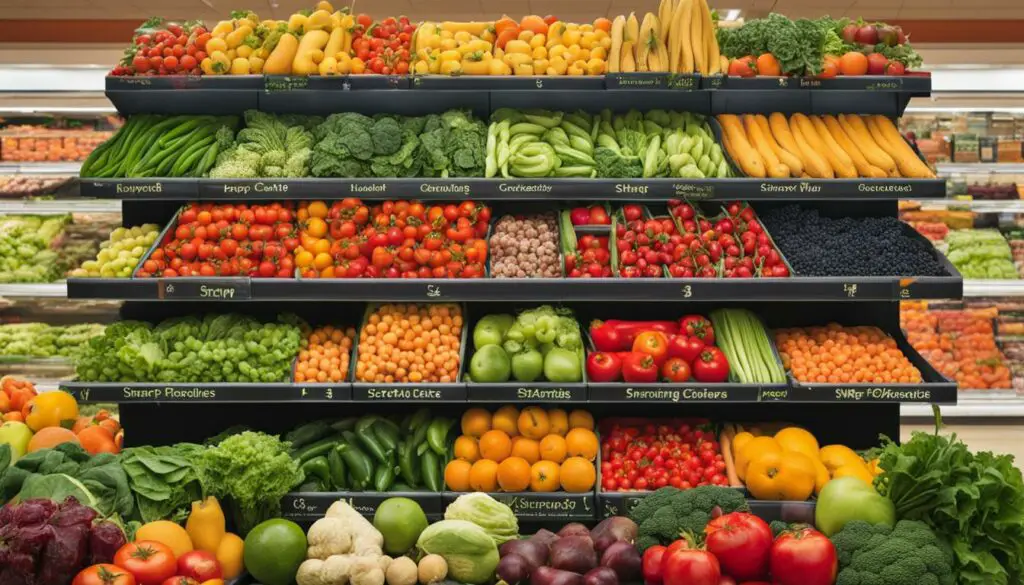
SNAP benefits provide assistance for eligible individuals and families to purchase a variety of nutritious food items. These benefits can be used to buy food meant to be eaten, as well as other essential items. Here are some examples of eligible food items for SNAP benefits:
- Food meant to be eaten by people: SNAP benefits can be used to purchase a wide range of food for human consumption. This includes fresh fruits and vegetables, meats, dairy products, grains, bread, and canned goods.
- Seeds for growing vegetables: SNAP benefits can also be used to purchase seeds or plants that will yield food for personal consumption, such as vegetables and herbs.
- Baby formula: SNAP benefits can be used to buy baby formula, which provides essential nutrition for infants.
- Diabetic and diet foods: Individuals with specific dietary needs, such as those with diabetes or following a special diet, can use SNAP benefits to purchase eligible diabetic and diet foods.
- Spices and herbs: SNAP benefits can cover the purchase of herbs and spices, which can enhance the flavor of meals and promote the consumption of nutritious food.
- Water and ice: SNAP benefits can be used to buy safe drinking water and ice, ensuring access to clean and refreshing liquids.
- Snack foods: In addition to main meal items, SNAP benefits can be used for snack foods, allowing for a variety of options to meet individual preferences and nutritional needs.
It’s important to note that SNAP benefits cannot be used to purchase certain items that are excluded from the program. These items include:
- Alcoholic beverages
- Tobacco
- Cleaning products
- Pet supplies
- Medicines and vitamins
- Items for gardening
By understanding the eligible food items for SNAP benefits, individuals and families can make informed choices to ensure access to nutritious meals and maintain their well-being.
Statewide Restaurant Meals Program in New York
In New York, Governor Kathy Hochul has signed legislation establishing a statewide Restaurant Meals Program as part of SNAP. This program allows homeless, elderly, and disabled SNAP recipients to use their benefits to purchase prepared or hot food from participating restaurants. The program is administered by the New York State Office of Temporary and Disability Assistance.
This innovative program aims to provide greater access to nutritious meals for individuals who may not have the means or ability to cook at home. By partnering with local restaurants, the Statewide Restaurant Meals Program ensures that SNAP recipients have diverse and convenient options for obtaining hot, ready-to-eat food.
The program offers numerous benefits, including:
- Increased access to hot and prepared food options
- Greater variety in meal choices
- Support for local restaurants and small businesses
- Improved nutrition for vulnerable populations
This initiative recognizes the importance of addressing food insecurity and the unique challenges faced by certain SNAP recipients. Through the statewide Restaurant Meals Program, eligible individuals have the opportunity to enjoy nourishing meals from approved restaurants, promoting their well-being and dignity.
How Does the Statewide Restaurant Meals Program Work?
Under the Statewide Restaurant Meals Program, eligible SNAP recipients receive an Electronic Benefit Transfer (EBT) card, similar to traditional SNAP benefits. The EBT card can be used at participating restaurants that have partnered with the program.
When utilizing their benefits, individuals can select from a range of eligible hot, prepared food options available at the participating restaurants. This flexibility allows SNAP recipients to enjoy a hot meal of their choice, eliminating any limitations that may be present when purchasing groceries for home cooking.
It’s important to note that not all restaurants accept SNAP benefits for the purchase of prepared and hot foods. The New York State Office of Temporary and Disability Assistance maintains a list of participating restaurants, ensuring transparency and ease of access for program beneficiaries.
| Benefits of the Statewide Restaurant Meals Program | Considerations |
|---|---|
| Enhanced food options for SNAP recipients | Participating restaurants may vary by location |
| Increased support for local businesses | SNAP recipients should verify participating restaurants |
| Promotion of well-being and dignity | Hot food purchases limited to eligible SNAP recipients |
Through the Statewide Restaurant Meals Program, New York aims to address the unique needs of individuals who rely on SNAP benefits while promoting local economic growth. By expanding access to diverse meal options, this initiative supports both the recipients of SNAP benefits and the state’s vibrant restaurant industry.
Restaurant Resiliency Program in New York

Governor Hochul has announced the launch of the $25 million Restaurant Resiliency Program in New York. This program aims to provide relief and support to the restaurant industry, which has been severely impacted by the ongoing pandemic.
The Restaurant Resiliency Program focuses on funding purchases of prepared meals from New York restaurants. These meals are then distributed to families in need through the network of food banks and emergency food providers across the state.
The program aims to address two critical issues simultaneously – supporting local restaurants by generating income and keeping them afloat, and ensuring that the most vulnerable populations have access to nutritious meals.
This initiative not only benefits the restaurant industry but also contributes to the well-being of individuals and families who may be facing food insecurity. By redirecting resources to local restaurants, the program helps stimulate economic recovery while meeting the essential needs of the community.
The Restaurant Resiliency Program is a testament to New York’s commitment to supporting its local businesses and residents. Through this program, the state acknowledges the vital role that restaurants play in the fabric of communities, promoting resilience and fostering a sense of togetherness.
This innovative program exemplifies the power of collaboration between the public and private sectors, demonstrating how partnerships can have a lasting impact on economic recovery and community well-being.
Retailer Eligibility for Prepared and Heated Foods
Retailers who participate in the Supplemental Nutrition Assistance Program (SNAP) must adhere to certain guidelines regarding the sale of prepared and heated foods. While SNAP benefits can be used to purchase a wide range of food items, including groceries and staple foods, there are limitations when it comes to prepared hot foods and heated foods.
For retailer eligibility, prepared hot foods and heated foods are not considered staple food products. These types of foods are only taken into account when determining if a retailer qualifies as a restaurant. Therefore, retailers who participate in SNAP cannot sell prepared hot foods or heated foods as part of the program.
To be eligible as an authorized retail food store for SNAP, retailers must meet specific criteria set by the program. These criteria ensure that SNAP benefits are used for purchasing essential food items and not for prepared meals or heated items. By adhering to these eligibility requirements, retailers can support individuals and families in accessing nutritious and affordable food options through SNAP.
| Eligible Foods | Ineligible Foods |
|---|---|
|
|
As seen in the table above, retailers can provide a wide variety of staple food items to SNAP recipients, ensuring access to nutritious options for their households. However, it is important to note that the sale of prepared hot foods and heated foods is not permitted under the SNAP program. Retailers must focus on offering eligible food items and contribute to the overall well-being of individuals and families who rely on SNAP benefits.
Home Preparation and Consumption

When it comes to using SNAP benefits for purchasing food, the main focus is on staple food items for home preparation and consumption. However, prepared or heated foods that are bought with SNAP benefits are not considered staple food items in this context. Whether the food is intended to be consumed at home or offsite, it does not count towards determining retailer eligibility.
The United States Department of Agriculture (USDA) is responsible for determining which food items are considered staple foods for home preparation and consumption. This distinction helps ensure that SNAP benefits are used for essential food items that can be utilized in a home setting.
In order to be eligible for SNAP, there are specific guidelines that retailers must follow. Prepared or heated foods, while they may be convenient options for individuals and families, are not considered staple food items for home preparation and consumption. Instead, SNAP benefits focus on raw ingredients and basic food items that can be used to prepare meals at home.
This distinction helps to ensure that SNAP benefits are used effectively to support individuals and families in meeting their nutritional needs. By focusing on staple foods for home preparation and consumption, SNAP recipients can access the necessary ingredients to create nutritious and home-cooked meals.
Heated Foods

Heated foods play a unique role in the realm of SNAP eligibility. These are the foods that undergo cooking or heating processes on-site, either before or after purchase. Retailers often sell these foods in a cold state and allow customers to cook or heat them according to their preference. Examples of heated foods include pizza, chicken, and seafood.
SNAP retailer eligibility, however, does not consider heated foods as staple food items. While heated foods may be available for purchase using SNAP benefits, they do not count towards determining a retailer’s eligibility to participate in the program.
It is worth noting that heated foods offer convenience and versatility. Customers have the option to consume them as is or customize their preparation. This flexibility allows SNAP recipients to choose heated foods as part of their meal plan while still adhering to program guidelines.
| Advantages of Heated Foods | Disadvantages of Heated Foods |
|---|---|
|
|
Hot Foods
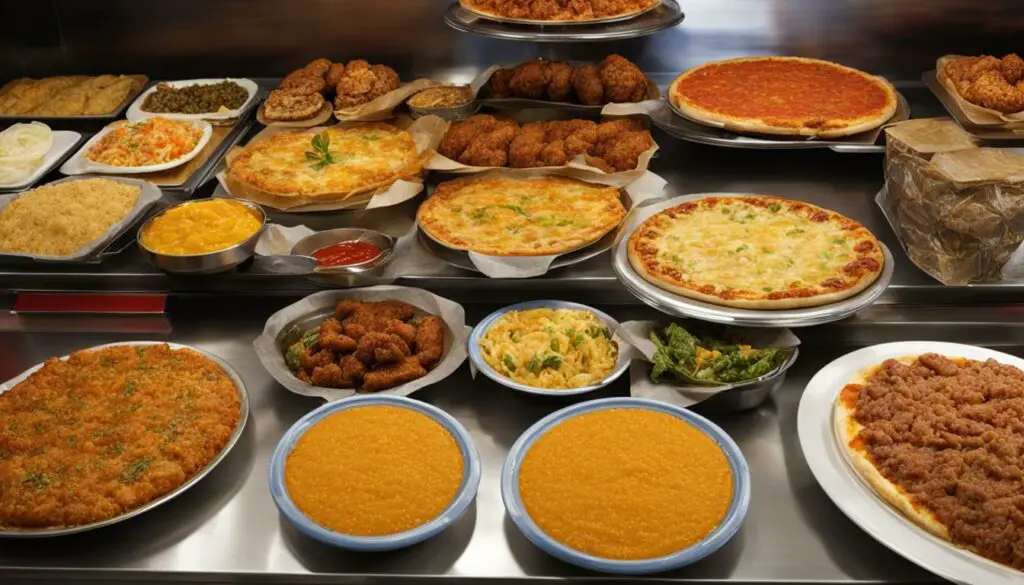
When it comes to SNAP benefits and eligible food items, the topic of hot foods often arises. Hot foods refer to any food product that is hot at the point of sale, regardless of who cooks or heats it. This includes popular options like coffee, soup, roast or fried chicken, and pizza. However, despite their popularity, hot foods are not considered staple food items for SNAP retailer eligibility.
While SNAP benefits can be used to purchase a variety of food items, the restrictions on hot food purchases aim to ensure that the program primarily supports the purchase of unprepared and household staple food items. This allows recipients to have access to a wide array of ingredients and items that can be used in home preparation and consumption.
Although hot foods may not be covered under the SNAP program, there are still plenty of options available for individuals and families looking to use their benefits to purchase food. SNAP benefits can be used to buy nutritious and filling food items such as fresh fruits, vegetables, grains, dairy products, and more.
If you’re unsure about what you can purchase with your SNAP benefits or have any questions regarding eligible food items, it’s always best to check with your local SNAP office or refer to the official SNAP guidelines provided by the USDA.
| Hot Foods |
|---|
| Coffee |
| Soup |
| Roast or Fried Chicken |
| Pizza |
Remember, while hot foods are not eligible for purchase with SNAP benefits, there are still plenty of other nutritious options that you can include in your shopping list. Utilize your SNAP benefits to make smart choices and ensure that you and your family have access to healthy and fulfilling meals.
Cold Prepared Foods
When it comes to making quick and convenient meal choices, cold prepared foods are a great option. These foods are made by the retailer, prepared on the premises, and sold cold, requiring no additional preparation before consumption. Whether you’re looking for a refreshing salad, a delicious sandwich, or a delectable meat and cheese platter, you’ll find a variety of cold prepared foods to satisfy your cravings.
Cold prepared foods are not considered staple food items for SNAP retailer eligibility. However, they offer a convenient and tasty option for those who are looking for ready-to-eat meals. Whether you’re planning a picnic, a lunch break at work, or a quick snack on the go, cold prepared foods provide a hassle-free solution.
One popular type of cold prepared food is ice cream. Perfect for satisfying your sweet tooth, certain types of ice cream can be purchased and enjoyed immediately. Whether you prefer classic flavors or adventurous combinations, the options are endless when it comes to indulging in cold, creamy goodness.
Benefits of Cold Prepared Foods:
- Convenience: Cold prepared foods are ready to eat, saving you time and effort in meal preparation.
- Variety: From salads to sandwiches, there’s a wide variety of options to choose from, catering to different tastes and preferences.
- Freshness: These foods are made on-site and sold cold, ensuring freshness and quality.
- Portion Control: Packaged in individual servings, cold prepared foods help you manage portion sizes and reduce food waste.
Where to Find Cold Prepared Foods:
Cold prepared foods can be found in various locations, including:
| Grocery Stores | Convenience Stores | Delis |
|---|---|---|
| Supermarkets like Safeway, Kroger, and Whole Foods offer a range of cold prepared food options in their deli sections. | Convenience stores like 7-Eleven and Wawa also provide quick and easy access to cold prepared foods for those on the go. | Local delis and sandwich shops often specialize in preparing fresh, delicious sandwiches and salads. |
Next time you’re in need of a satisfying meal or snack that requires no additional preparation, consider exploring the wide array of cold prepared foods available. From refreshing salads to mouthwatering sandwiches, these ready-to-eat options offer convenience and flavor without compromising on taste. And don’t forget to treat yourself to a scoop of your favorite cold, creamy ice cream!
Conclusion
In conclusion, while the general rule is that prepared hot foods cannot be purchased with food stamps, certain states, like New York, have implemented programs that allow SNAP recipients to use their benefits at participating restaurants for hot food options. This means that individuals and families who rely on food stamps now have more access to hot, prepared meals for their nutritional needs. These programs aim to provide assistance to vulnerable populations, such as homeless, elderly, and disabled SNAP recipients, who may not have access to cooking facilities or are unable to prepare meals themselves.
If you are wondering about the eligibility and availability of hot food options with food stamps in your state, it’s important to check the guidelines and participating locations. Each state’s SNAP program may have different regulations and partnerships with local restaurants. By familiarizing yourself with the rules and resources in your area, you can find out where you can buy hot food with food stamps.
Remember, access to hot food options with food stamps can help individuals and families have more variety in their diets and enjoy warm meals, especially during challenging times. So, if you are eligible for SNAP benefits and are looking for places to get hot food with food stamps, be sure to explore the options available in your state. Stay informed, make the most of your benefits, and nourish yourself and your loved ones with hot and delicious meals.
FAQ
Can I buy hot food with food stamps?
While there are restrictions on what can be purchased with SNAP benefits, including prepared hot foods in grocery stores, there are some exceptions to this rule in certain states. It’s important to know the guidelines and participating locations if you want to buy hot food with food stamps.
How can I apply for SNAP benefits?
To apply for the Supplemental Nutrition Assistance Program (SNAP), you can start by applying online through your state’s SNAP website. You can also call the HRA Infoline or visit a SNAP center to pick up an application. It generally takes about 30 days to receive benefits if you are eligible.
What food items are eligible for SNAP benefits?
SNAP benefits can be used to purchase a variety of food items, including food meant to be eaten by people, seeds for growing vegetables, baby formula, diabetic and diet foods, spices and herbs, water, ice, and snack foods. However, SNAP benefits cannot be used to purchase alcoholic beverages, tobacco, cleaning products, pet supplies, medicines, vitamins, or items for gardening.
Is there a statewide restaurant meals program in New York?
In New York, Governor Kathy Hochul has signed legislation establishing a statewide Restaurant Meals Program as part of SNAP. This program allows homeless, elderly, and disabled SNAP recipients to use their benefits to purchase prepared or hot food from participating restaurants. The program is administered by the New York State Office of Temporary and Disability Assistance.
What is the Restaurant Resiliency Program in New York?
Governor Hochul has also announced the launch of the $25 million Restaurant Resiliency Program in New York. This program provides relief to the restaurant industry by funding purchases of prepared meals from New York restaurants. The meals are then delivered to families in need through the network of food banks and emergency food providers.
What are the eligibility criteria for retailers to sell prepared and heated foods?
Retailers who participate in SNAP are not eligible to sell prepared hot foods or heated foods as staple food products. These types of foods are only counted when determining if a retailer is a restaurant. Retailers must meet certain criteria to be eligible to participate in SNAP as an authorized retail food store.
What is considered home preparation and consumption for SNAP benefits?
Prepared or heated foods purchased with SNAP benefits are not considered staple food items for home preparation and consumption. Whether the food is intended to be consumed at home or offsite, it is not counted when determining retailer eligibility. The USDA has the authority to determine if a food item is a staple food intended for home preparation and consumption.
What are heated foods for SNAP retailer eligibility purposes?
Heated foods include foods that are cooked or heated on-site by the retailer before or after purchase. This includes foods like pizza, chicken, and seafood that are sold cold and then cooked or heated. Heated foods are not considered staple food items for SNAP retailer eligibility purposes.
What counts as hot foods for SNAP retailer eligibility?
Hot foods refer to any food product that is hot at the point of sale, regardless of who cooks or heats it. This includes foods like coffee, soup, roast or fried chicken, and pizza. Hot foods are also not considered staple food items for SNAP retailer eligibility.
Are cold prepared foods eligible for SNAP benefits?
Cold prepared foods are foods that are made by the retailer, prepared on the premises, sold cold, and require no additional preparation for immediate consumption. This includes items like salads, sandwiches, meat and cheese platters, and certain types of ice cream. Cold prepared foods are not considered staple food items for SNAP retailer eligibility.
Where can I find places to get hot food with food stamps?
While the general rule is that prepared hot foods cannot be purchased with food stamps, certain states, like New York, have implemented programs that allow SNAP recipients to use their benefits at participating restaurants for hot food options. It’s important to check the guidelines and participating locations in your state to find out where you can buy hot food with food stamps.
Source Links
- https://www.nyc.gov/site/hra/about/snap-faqs.page
- https://www.governor.ny.gov/news/governor-hochul-signs-legislation-helping-homeless-disabled-and-elderly-snap-recipients
- https://www.fns.usda.gov/snap/retailer-eligibility-prepared-foods-and-heated-foods
See also:
Leave a Reply