Originally posted on December 13, 2023 @ 7:31 pm
Oregano is a beloved herb known for its distinctive flavor and aroma. Whether you’re whipping up a homemade pizza, preparing a Greek salad, or adding a touch of Mediterranean flair to your dishes, fresh oregano is often the go-to herb. But what if you don’t have any on hand or simply want to explore alternative options? In this article, we’ll explore the best substitutes for fresh oregano, so you can continue to create delicious meals without missing a beat!
Table of Contents
Key Takeaways:
- When fresh oregano is unavailable, there are many alternative herbs you can use.
- For Mexican flavors, try marjoram, sage, or thyme as substitutes for Mexican oregano.
- Basil, parsley, and tarragon work well as substitutes for Greek or Mediterranean oregano.
- If a recipe specifically calls for fresh oregano, you can use dried oregano, fresh marjoram, or fresh thyme as alternatives.
- Italian seasoning can be used as a convenient substitute for oregano in Italian dishes.
Mexican Oregano Substitute

When it comes to Mexican cuisine, oregano plays a crucial role in adding a distinct flavor to various dishes. However, if you find yourself without Mexican oregano in your pantry, don’t worry! There are several alternative herbs that can provide a similar taste and aroma.
One of the best substitutes for Mexican oregano is marjoram. With its comparable flavor profile, marjoram can effortlessly replace Mexican oregano in your recipes. It is even referred to as Mexican marjoram or Mexican wild sage due to its compatibility with Mexican flavors.
In addition to marjoram, other herbs that can be used as substitutes for Mexican oregano include sage and thyme. These herbs bring their own unique flavors to the dish, offering a delightful alternative to Mexican oregano.
Experiment with these substitutes to find the one that best complements your Mexican-inspired creations. Whether it’s marjoram, sage, or thyme, you can still achieve the authentic Mexican flavors in your dishes even without Mexican oregano.
Greek/Mediterranean Oregano Substitute

If you are looking for a substitute for Greek or Mediterranean oregano, basil, parsley, or tarragon can work well. These herbs provide similar aromatic flavors that can complement Mediterranean dishes. They can be used in equal amounts as a replacement for Greek oregano in recipes.
When it comes to Greek or Mediterranean cuisine, the distinctive flavor of oregano plays a crucial role. However, if you find yourself without Greek oregano in your pantry, don’t fret! There are several alternative herbs that can step in and deliver similar flavors.
In Mediterranean dishes, the flavors of basil, parsley, and tarragon can beautifully mimic the herbal notes of Greek oregano. Whether it’s the bright, slightly sweet taste of basil, the fresh and vibrant notes of parsley, or the slightly bittersweet, anise-like flavor of tarragon, these herbs can enhance the taste of your Mediterranean-inspired recipes.
Basil, with its aromatic and slightly peppery undertones, is a popular herb in Mediterranean cooking. It pairs well with tomatoes, pasta, salads, and various dishes featuring lamb, chicken, or fish. Its vibrant flavor profile adds a touch of freshness to any recipe.
Parsley, with its mild and slightly bitter taste, is another excellent substitute for Greek oregano. It is widely used in Mediterranean cuisine and can be added to salads, sauces, marinades, and roasted vegetables. It not only adds flavor but also provides a bright and refreshing element to dishes.
Tarragon, with its unique aroma reminiscent of anise or licorice, can be used as a substitute for Greek oregano. It pairs well with fish, chicken, sauces, and dressings. Its distinct flavor adds depth and complexity to Mediterranean dishes.
These herbs can be used in equal amounts as a replacement for Greek oregano in your favorite recipes. Whether you’re making a Greek salad, moussaka, or souvlaki, these alternatives can bring the flavors of the Mediterranean to your table, even without Greek oregano.
Fresh Oregano Substitute
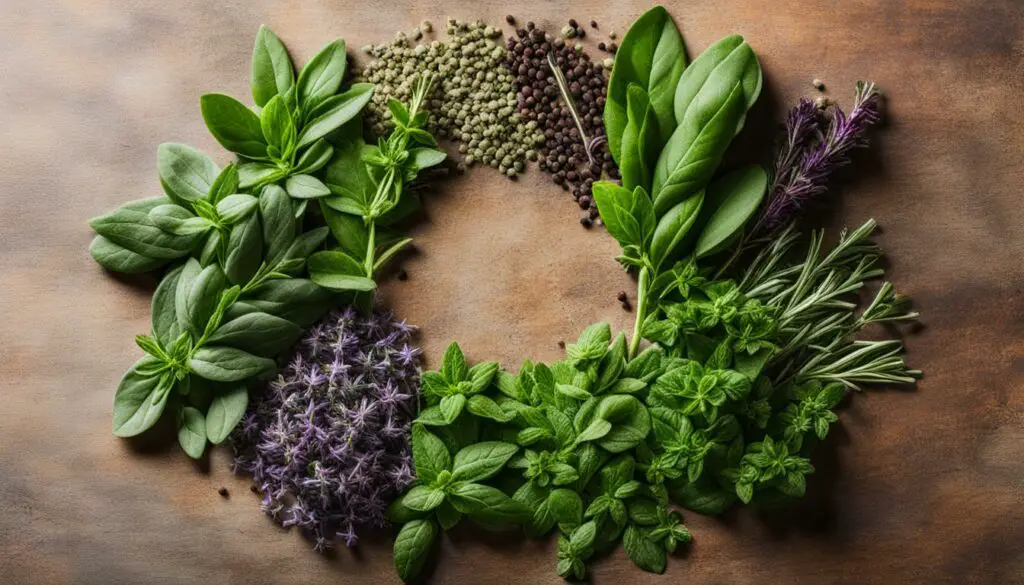
When fresh oregano is not available, there are several alternatives that can be used as a substitute. One of the best options is dried oregano. Dried oregano has a more concentrated flavor compared to fresh oregano, so you will need to adjust the measurements accordingly. A general guideline is to use 1 teaspoon of dried oregano for every 1 tablespoon of fresh oregano.
Pro Tip: If you’re using dried oregano in a recipe that calls for fresh oregano, make sure to crumble the dried leaves between your fingers to release the essential oils and maximize the flavor.
If you prefer to use fresh herbs, two great alternatives to fresh oregano are fresh marjoram and fresh thyme. These herbs have similar flavor profiles and can provide a unique twist to your dishes. Keep in mind that the flavors may vary slightly, so it’s a good idea to taste and adjust as needed.
Whether you choose dried oregano or fresh herb alternatives, these substitutes can add depth and aroma to your recipes without compromising the overall flavor. Experiment with different options and discover exciting new combinations in your cooking.
| Substitute | Flavor Profile | Recommended Use |
|---|---|---|
| Dried Oregano | Strong, earthy, slightly bitter | Italian dishes, roasted meats, tomato-based sauces |
| Fresh Marjoram | Milder, sweeter, hints of citrus | Mediterranean dishes, soups, salad dressings |
| Fresh Thyme | Earthy, subtle lemon notes | Poultry, seafood, roasted vegetables |
Italian Seasoning as a Substitute
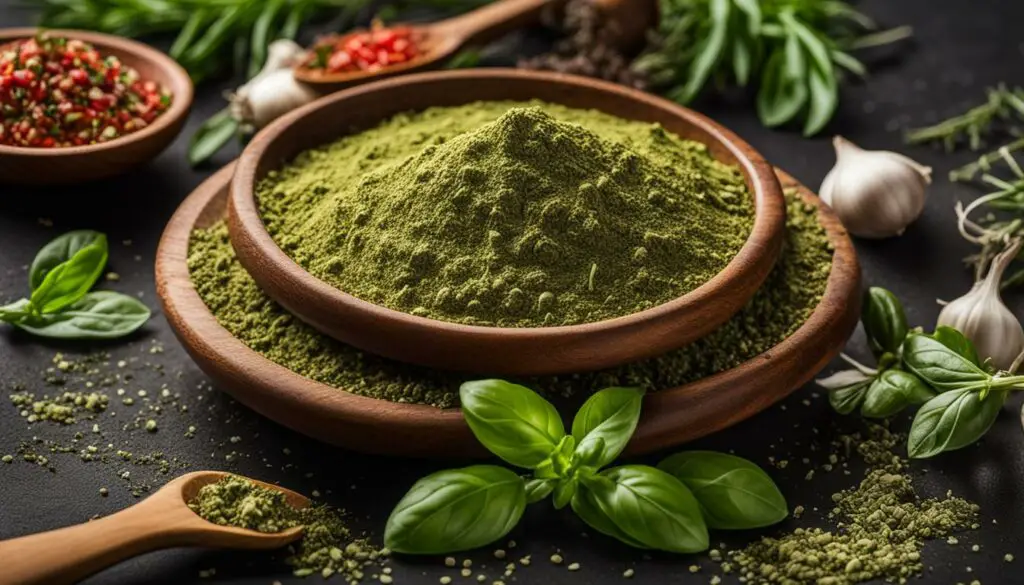
Italian seasoning can be a versatile substitute for oregano, especially when cooking Italian dishes. This popular seasoning blend typically contains a mixture of herbs, including oregano, basil, parsley, thyme, and marjoram. It provides a well-rounded flavor profile that complements a variety of recipes.
When using Italian seasoning as a replacement for oregano, you can typically use it in equal amounts. However, it’s important to note that Italian seasoning may have a slightly different flavor profile due to the combination of herbs. It adds depth and complexity to dishes, giving them a distinctive Italian flair.
Whether you’re making pasta sauce, pizza, or roasted vegetables, Italian seasoning can provide a flavorful alternative to oregano. Its blend of herbs adds a harmonious balance that enhances the overall taste of your dishes.
Experiment with Italian seasoning as a substitute for oregano and discover new dimensions of flavor in your favorite Italian recipes.
Equivalent of Dried Oregano to Fresh Oregano
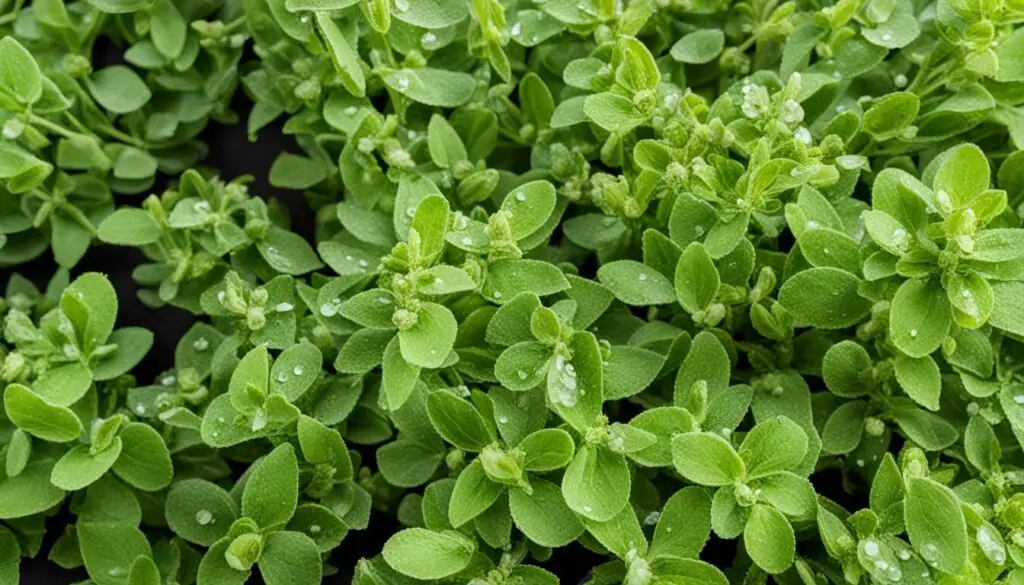
When it comes to converting dried oregano to fresh oregano in your recipes, it’s important to maintain the right amount of flavor. Dried oregano is more concentrated than fresh oregano, so you’ll need to adjust the measurements accordingly.
The equivalent measurement of dried oregano to fresh oregano is 1 tablespoon of fresh herb to 1 teaspoon of dried oregano. This ratio ensures that you get the desired flavor without overpowering your dish.
Keep in mind that personal preference and the specific recipe may also play a role in determining the amount of dried oregano to use. You can always start with lesser amounts and add more if needed, based on your taste preferences.
Experiment with different quantities to find the perfect balance for your culinary creations. Now that you know how to convert dried oregano to fresh oregano, you can confidently substitute one for the other in your favorite recipes.
Other Herb Substitutes for Oregano
When it comes to substituting oregano in your recipes, there are numerous other herbs that can provide similar flavors and aromas. Depending on the specific dish and your desired flavor profile, you can consider using the following alternative herbs:
- Marjoram: With a similar flavor profile to oregano, marjoram is an ideal substitute for this aromatic herb.
- Tarragon: Known for its subtle licorice-like flavor, tarragon can add a unique twist to dishes that call for oregano.
- Basil: Often used in Italian cuisine, basil can be a great replacement for oregano, especially in pasta sauces and pesto recipes.
- Thyme: With its earthy and slightly minty flavor, thyme can be used as an alternative to oregano in both savory and sweet dishes.
- Rosemary: Known for its strong and aromatic flavor, rosemary can be used to replace oregano in recipes that can benefit from its pine-like taste.
- Dill: If you’re looking for a fresher and slightly sweet substitute for oregano, dill can be a great choice.
- Fennel: With its distinct anise-like flavor, fennel can provide a unique twist to recipes that call for oregano.
- Carom: Also known as ajwain or bishop’s weed, carom seeds can be used as a flavorful substitute for oregano in Indian and Middle Eastern dishes.
- Fenugreek: Widely used in Indian cooking, fenugreek can add a rich, nutty flavor to dishes that call for oregano.
- Sage: With its savory and slightly peppery taste, sage can be used as a substitute for oregano in recipes that can benefit from its robust flavor.
- Bay Leaf: While bay leaf is not a direct substitute for oregano, it can add a subtle and aromatic flavor to dishes that call for oregano.
Each of these herbs has its own unique flavor profile, so it’s important to consider the specific dish and adjust the quantity accordingly. Don’t be afraid to experiment with different herb combinations to find the perfect substitute that complements your cooking.
Flavor Comparison: Oregano and Other Herbs
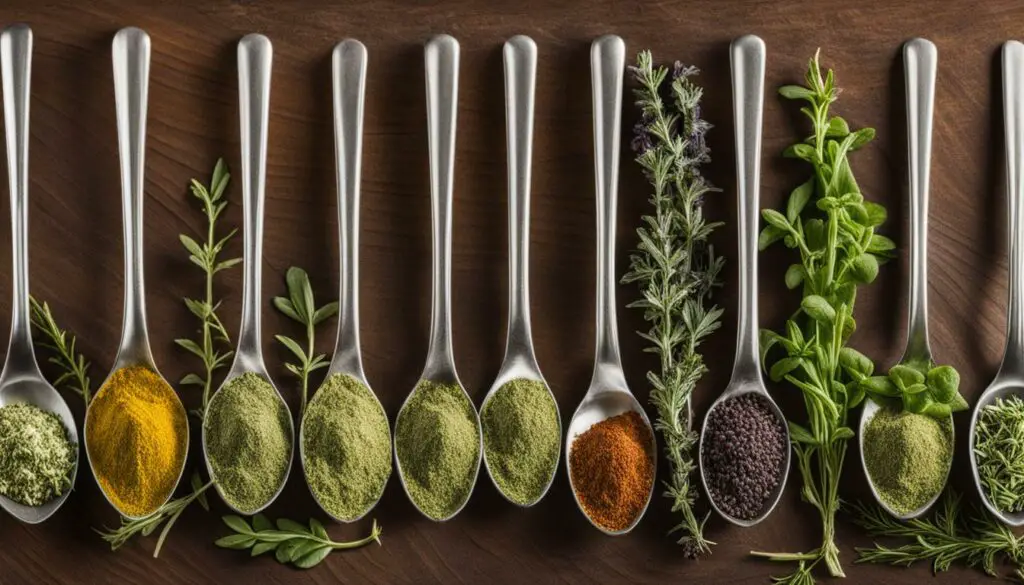
Oregano is a versatile herb that brings warmth, slight bitterness, and aromatic notes to dishes. It has a unique flavor profile with hints of mint and lemon, making it a favorite in Mediterranean and Mexican cuisines. But how does oregano compare to other herbs? Let’s explore the flavor profiles of some popular herbs and see how they differ from oregano.
Marjoram
Marjoram is often considered a close relative of oregano and shares similar flavor notes. However, marjoram tends to have a milder and sweeter taste compared to oregano. It adds a delicate and slightly floral flavor to dishes, making it a great alternative for those who find oregano’s bitterness overpowering.
Basil
Basil is another herb that differs significantly in flavor from oregano. Known for its fresh and aromatic taste, basil brings a sweet, slightly minty flavor to dishes. It pairs well with tomatoes and is a staple in Italian cuisine. While it may not have the same earthy notes as oregano, it can still add depth and complexity to a wide range of recipes.
Tarragon
Tarragon has a distinct flavor that sets it apart from oregano. It has a licorice-like taste with hints of mint and pepper, offering a unique and bold flavor profile. Tarragon adds a touch of sophistication to dishes and is commonly used in French cuisine. Its strong flavor makes it a great substitute when you want to infuse your dishes with a punch of herbal goodness.
Thyme
Thyme has a more earthy and subtle flavor compared to oregano. It has a slightly minty taste with hints of lemon, making it a versatile herb that pairs well with a variety of dishes. Thyme is often used in recipes that call for a more delicate and nuanced herbaceous flavor. It can be used as a substitute for oregano in some recipes, especially those that require a milder herb.
Rosemary
Rosemary offers a distinct and robust flavor that is quite different from oregano. It has a pine-like aroma with strong lemon and woody undertones. Rosemary’s intense flavor makes it best suited for hearty dishes like roasted meats, stews, and soups. While it may not be a direct substitute for oregano, it can add a unique twist to your recipes.
While these are just a few examples, a multitude of herbs can be compared to oregano in terms of flavor. Each herb brings its own characteristics, allowing you to create diverse and exciting dishes. Whether you prefer the warmth of oregano, the sweetness of basil, or the boldness of tarragon, experimenting with different herbs can elevate your culinary creations to new heights.
Recipes and Uses for Oregano
Oregano is a versatile herb that adds flavor and aroma to a variety of dishes. It is widely used in Mediterranean cuisine, particularly in Italian and Greek recipes. Let’s explore some delicious recipes that showcase the use of oregano:
1. Tomato Sauce
Bring the flavors of Italy to your kitchen with a homemade tomato sauce infused with oregano. Sauté onions and garlic in olive oil, then add tomato paste, crushed tomatoes, oregano, and other Italian herbs. Simmer the sauce for a rich, robust flavor. Serve with pasta or use as a base for pizza.
2. Greek Salad
Create a refreshing Greek salad by combining ripe tomatoes, cucumbers, bell peppers, red onions, Kalamata olives, feta cheese, and a sprinkle of oregano. Drizzle with olive oil and lemon juice for a tangy dressing. This colorful salad is a delightful side dish or light lunch option.
3. Souvlaki
Transport yourself to Greece with flavorful souvlaki skewers. Marinate chunks of chicken, pork, or lamb in a mixture of olive oil, lemon juice, garlic, and oregano. Thread the marinated meat onto skewers and grill to perfection. Serve with pita bread, tzatziki sauce, and a sprinkle of fresh oregano.
4. Chili
Add a Mediterranean twist to your chili recipe by incorporating oregano. Brown ground beef or turkey, then sauté onions, garlic, and bell peppers. Add kidney beans, crushed tomatoes, tomato sauce, chili powder, cumin, oregano, and other spices. Simmer the chili for a hearty and flavorful comfort food.
5. Kebabs
Infuse your kebabs with Mediterranean flavors by seasoning the meat with oregano. Alternate pieces of marinated chicken, beef, or vegetables on skewers. Grill the kebabs until the meat is cooked through and vegetables are tender. Serve with tzatziki sauce and a sprinkle of fresh oregano.
6. Enchiladas
Put a Mediterranean twist on traditional enchiladas by adding oregano to the filling. Sauté onions, garlic, and bell peppers, then combine with cooked chicken or cheese. Roll the mixture in tortillas and place them in a baking dish. Pour enchilada sauce over the top, sprinkle with oregano, and bake until golden and bubbly.
7. Lamb Dishes
Oregano pairs exceptionally well with lamb, enhancing its robust flavor. Whether you’re grilling lamb chops, braising lamb shanks, or roasting a leg of lamb, sprinkle oregano generously over the meat. The herb will add a fragrant aroma and savory taste that complements the richness of the lamb.
These are just a few examples of how oregano can elevate your culinary creations. From traditional Italian dishes to Greek favorites and beyond, oregano adds a touch of the Mediterranean to your cooking. Experiment with this versatile herb and discover new and exciting flavors in your kitchen.
Conclusion
When fresh oregano is not available or you are looking for alternatives to enhance flavors in your dishes, there are several options to consider. Whether it’s Mexican oregano substitutes like marjoram, using dried oregano as a fresh oregano substitute, or exploring other herb alternatives, there are many ways to add depth and aroma to your recipes without fresh oregano. Experiment with different herbs and find the ones that best complement your desired flavors.
Marjoram is a fantastic Mexican oregano substitute that offers a similar flavor profile, making it ideal for adding an authentic taste to your Mexican-inspired dishes. Dried oregano is also an excellent option when fresh oregano is not available, although it is more potent, so adjust your measurements accordingly. Additionally, don’t forget to explore other herb alternatives such as basil, tarragon, thyme, and rosemary, as these can provide their own unique flavors to elevate your cooking.
Cooking with oregano alternatives opens up a world of possibilities, allowing you to experiment with different herbal flavors and create exciting new tastes in your dishes. Whether you’re making Italian classics, Mediterranean favorites, or exploring other cuisines, don’t be afraid to substitute fresh oregano and discover your new go-to herb. With a bit of creativity and the right substitute, you can continue to enjoy the richness and fragrance that oregano brings to your recipes.
FAQ
What are the best fresh oregano substitute choices?
The best fresh oregano substitutes include dried oregano, fresh marjoram, and fresh thyme.
What can I use as a substitute for Mexican oregano?
Marjoram, sage, thyme, and Mexican wild sage are suitable substitutes for Mexican oregano.
What are the alternatives to Greek or Mediterranean oregano?
Basil, parsley, and tarragon work well as substitutes for Greek or Mediterranean oregano.
How can I substitute fresh oregano in my recipes?
You can use dried oregano, fresh marjoram, or fresh thyme as alternatives to fresh oregano.
Can Italian seasoning be used as a substitute for oregano?
Yes, Italian seasoning, which typically contains oregano, basil, parsley, thyme, and marjoram, can be used as a substitute for oregano.
How much dried oregano should I use in place of fresh oregano?
Use 1 teaspoon of dried oregano for every 1 tablespoon of fresh oregano as a general rule of thumb.
Are there any other herb substitutes for oregano?
Yes, other herb substitutes for oregano include marjoram, tarragon, basil, thyme, rosemary, dill, fennel, carom, fenugreek, sage, and bay leaf.
How does the flavor of oregano compare to other herbs?
Oregano has a warm, slightly bitter flavor with hints of mint and lemon. Other herbs like marjoram, basil, tarragon, thyme, rosemary, dill, fennel, carom, fenugreek, sage, and bay leaf have their own distinct flavors that may be sweeter, earthier, or more pungent.
In which recipes can I use oregano?
Oregano is commonly used in Italian dishes like tomato sauces, pizzas, and grilled meat. It is also popular in Greek cuisine, as well as Argentinian, Turkish, and Mexican dishes.
Source Links
- https://www.allrecipes.com/oregano-substitute-7974704
- https://scrummylane.com/oregano-substitutes/
- https://www.thespicehouse.com/blogs/news/oregano-substitute
See also:
Leave a Reply